Introduction to Aromatherapy: How To Use Aromatherapy For Mental Wellness
Aromatherapy is the practice of using essential oils extracted from plants to promote overall well-being, including mental wellness. These essential oils are believed to have therapeutic properties that can positively impact our emotions, mood, and mental state.
History of Aromatherapy
Aromatherapy has been used for centuries in various cultures around the world. The ancient Egyptians, Greeks, and Romans all utilized aromatic oils for their healing properties. In the early 20th century, French chemist René-Maurice Gattefossé coined the term “aromatherapy” after discovering the healing benefits of lavender oil on burns.
Traditional Uses of Aromatherapy
Traditionally, aromatherapy has been used to alleviate stress, anxiety, and depression. Different essential oils are known for their specific effects on the mind and emotions. For example, lavender is often used for its calming properties, while peppermint is invigorating and can help with mental clarity.
How Aromatherapy Works for Mental Well-being
Aromatherapy works through the inhalation or topical application of essential oils, which are then absorbed into the bloodstream. The molecules in the oils stimulate the olfactory system in the brain, triggering a response that can affect mood, stress levels, and cognitive function. By using different oils or blends, individuals can customize their aromatherapy experience to support their mental wellness goals.
Essential Oils for Mental Wellness
How to use aromatherapy for mental wellness – Essential oils have been used for centuries to promote mental well-being. Here are some commonly used essential oils known for their benefits on mental health:
Lavender Oil
Lavender oil is well-known for its calming and relaxing properties. It can help reduce stress, anxiety, and promote better sleep.
Peppermint Oil
Peppermint oil is invigorating and can help improve focus, concentration, and mental clarity. It is also known to reduce feelings of fatigue and boost energy levels.
Chamomile Oil
Chamomile oil has soothing properties that can help alleviate feelings of anxiety, irritability, and promote relaxation. It is often used to combat insomnia and promote better sleep.
Rosemary Oil
Rosemary oil is known for its stimulating and uplifting effects. It can help improve memory, mental alertness, and enhance cognitive function.
Bergamot Oil
Bergamot oil has mood-boosting properties and can help reduce feelings of depression, anxiety, and stress. It is also known to promote feelings of joy and positivity.
Methods of Using Essential Oils for Mental Well-being, How to use aromatherapy for mental wellness
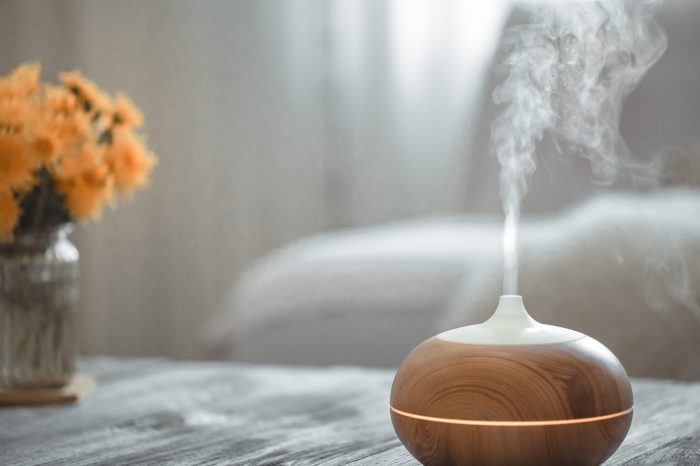
- Diffusion: Add a few drops of essential oils to a diffuser to fill the room with the aroma.
- Topical Application: Dilute essential oils with a carrier oil and apply to pulse points or areas of concern.
- Inhalation: Inhale the scent of essential oils directly from the bottle or by adding a few drops to a tissue.
Aromatherapy Techniques
Aromatherapy techniques involve various methods of using essential oils to promote mental wellness. These techniques include inhalation, massage, and baths, each offering unique benefits for the mind and body.
Inhalation
Inhalation is one of the most common aromatherapy techniques as it allows the essential oils to enter the body through the respiratory system. To perform inhalation for mental wellness:
- Fill a diffuser with water and add a few drops of your chosen essential oil.
- Turn on the diffuser and allow the aroma to disperse throughout the room.
- Breathe deeply and slowly to inhale the scent and experience its calming effects.
Remember to use essential oils known for their calming properties, such as lavender or chamomile, for inhalation.
Massage
Aromatherapy massage combines the benefits of essential oils with the therapeutic touch of massage. To perform aromatherapy massage for mental wellness:
- Dilute a few drops of essential oil in a carrier oil, such as coconut or almond oil.
- Apply the oil mixture to your skin and gently massage it into the desired areas.
- Focus on areas of tension or stress to promote relaxation and mental clarity.
Always perform a patch test before applying essential oils to your skin to avoid any allergic reactions.
Baths
Aromatherapy baths provide a luxurious way to unwind and relax while benefiting from the properties of essential oils. To create an aromatherapy bath for mental wellness:
- Add a few drops of essential oil to a carrier substance like Epsom salts or a bath gel.
- Fill the bathtub with warm water and mix in the essential oil-infused substance.
- Soak in the bath for at least 20 minutes to allow the oils to work their magic on your mind and body.
Ensure proper dilution of essential oils in the bathwater to prevent skin irritation. Always follow recommended guidelines for safe usage.
Aromatherapy Blends for Mental Health
Creating personalized aromatherapy blends can be a powerful tool for reducing stress, anxiety, and improving mood. By combining different essential oils, you can tailor the blend to address your specific mental wellness needs.
Essential Oil Blends for Stress Relief
When creating a blend to reduce stress, consider combining calming essential oils such as lavender, chamomile, and bergamot. These oils are known for their relaxing properties and can help promote a sense of calm and relaxation.
-
Lavender: known for its soothing and calming effects on the mind and body.
-
Chamomile: helps to reduce anxiety and promote relaxation.
-
Bergamot: uplifts the mood and relieves stress and tension.
Essential Oil Blends for Anxiety
To create a blend that can help alleviate anxiety, consider using oils like frankincense, ylang-ylang, and clary sage. These oils are known for their grounding and calming effects, which can help reduce feelings of anxiety and promote a sense of tranquility.
-
Frankincense: helps to calm the mind and deepen breathing, reducing anxiety.
-
Ylang-ylang: promotes relaxation and helps to reduce feelings of nervousness.
-
Clary Sage: known for its stress-relieving and mood-boosting properties.
Tips for Blending Essential Oils
When blending different essential oils for mental wellness, start by choosing a base oil like jojoba or sweet almond oil. Add a total of 10-15 drops of essential oils to 1 ounce of the base oil for a safe and effective blend.
- Experiment with different combinations of oils to find what works best for you.
- Consider the properties of each oil and how they can complement each other for maximum benefits.
- Always perform a patch test before applying the blend to your skin to ensure you do not have any adverse reactions.
Incorporating Aromatherapy into Daily Routine
Integrating aromatherapy into your daily routine can enhance your mental wellness and overall well-being. By incorporating essential oils into practices like meditation, yoga, or mindfulness, you can create a calming and uplifting environment for yourself.
Aromatherapy in Meditation
- Begin your meditation session by diffusing calming essential oils like lavender or chamomile to promote relaxation and focus.
- Apply a drop of essential oil on your palms, rub them together, and cup your hands over your nose to inhale deeply during deep breathing exercises.
- Set up a diffuser with your favorite essential oil blends in your meditation space to create a soothing atmosphere.
Aromatherapy in Yoga
- Add a few drops of invigorating essential oils like peppermint or eucalyptus to your yoga mat before starting your practice for an energizing experience.
- Diffuse grounding oils like frankincense or sandalwood during your yoga session to enhance mindfulness and connection to your practice.
- Create a calming post-yoga ritual by applying a relaxing essential oil blend to your pulse points to carry the sense of peace throughout your day.
Aromatherapy Complementing Other Wellness Practices
- Use uplifting essential oils like citrus or bergamot in a diffuser during your workout routine to boost motivation and mood.
- Incorporate essential oils known for their appetite-suppressing properties like grapefruit or peppermint into your healthy eating habits to support mindful eating.
- Wind down after a day of wellness activities by indulging in a relaxing aromatherapy bath with lavender or geranium essential oils to promote restful sleep.
Mental Wellness Benefits of Aromatherapy
Aromatherapy offers a variety of mental health benefits, contributing to overall well-being and emotional balance. The use of essential oils can help in stress relief, promoting relaxation, and improving sleep quality. Let’s delve into the specific advantages of aromatherapy for mental wellness.
Stress Relief and Relaxation
- Aromatherapy can help reduce stress levels by triggering the release of neurotransmitters like serotonin and dopamine, promoting feelings of relaxation and calmness.
- Essential oils such as lavender, chamomile, and bergamot are known for their soothing properties, making them effective in alleviating stress and anxiety.
- Inhaling the aroma of these oils through diffusion or topical application can have a calming effect on the mind and body, reducing feelings of tension and promoting relaxation.
Improved Sleep Quality
- Certain essential oils, like lavender and cedarwood, possess sedative properties that can aid in promoting better sleep quality.
- The use of these oils before bedtime through methods like diffusers or diluted blends can help create a restful environment conducive to sleep.
- Aromatherapy can also help regulate the sleep-wake cycle, making it easier to fall asleep and stay asleep throughout the night.
Emotional Balance and Well-being
- Essential oils can impact the limbic system, the part of the brain responsible for emotions and memories, helping to regulate mood and promote emotional balance.
- Aromatherapy can stimulate positive emotions, reduce feelings of sadness or anxiety, and enhance overall well-being by creating a sense of comfort and relaxation.
- Regular use of aromatherapy techniques can contribute to a more positive outlook, increased resilience to stress, and a greater sense of emotional well-being.
Integrating Aromatherapy with Holistic Wellness
Aromatherapy goes hand in hand with a holistic approach to health and well-being by addressing the interconnectedness of the mind, body, and spirit. This natural therapy focuses on using essential oils to promote overall wellness and balance in all aspects of life.
Connection between Mental Wellness, Physical Fitness, and Aromatherapy
- Aromatherapy can help reduce stress and anxiety, which are common barriers to physical fitness. By promoting relaxation and mental clarity, essential oils can enhance motivation and energy levels for exercise.
- Essential oils like peppermint and eucalyptus have invigorating properties that can aid in boosting physical performance and endurance during workouts.
- The calming effects of aromatherapy can also improve sleep quality, which is essential for muscle recovery and overall physical well-being.
Aromatherapy for Preventive Care and Overall Balance
- Regular use of aromatherapy can strengthen the immune system and promote a sense of well-being, which are crucial components of preventive care.
- Essential oils with antibacterial and antiviral properties can help protect the body from illnesses and infections, contributing to overall health and balance.
- By incorporating aromatherapy into daily routines, individuals can maintain a sense of equilibrium and harmony, leading to a more holistic approach to wellness.
Questions Often Asked
Can aromatherapy help with anxiety and stress relief?
Yes, certain essential oils like lavender and chamomile are known for their calming effects and can help reduce anxiety and stress.
Is it safe to use essential oils directly on the skin?
It is recommended to always dilute essential oils with a carrier oil before applying them to the skin to avoid any adverse reactions.
How can aromatherapy be integrated into meditation practices?
Aromatherapy can be incorporated into meditation by diffusing relaxing essential oils like frankincense or sandalwood to create a calming atmosphere.
Are there specific essential oil blends for improving sleep quality?
Blends of oils like lavender, cedarwood, and bergamot can promote relaxation and help improve sleep quality when diffused or applied before bedtime.
Can aromatherapy be used as a complementary therapy for mental health conditions?
While aromatherapy can support mental wellness, it is important to consult with a healthcare professional for any serious mental health concerns.