Mental Wellness
Stress management is closely linked to mental wellness, as chronic stress can lead to anxiety, depression, and other mental health issues. By learning to manage stress effectively, individuals can improve their overall mental well-being and resilience.
Relaxation Techniques
- Deep breathing exercises: Taking slow, deep breaths can help calm the mind and reduce stress levels.
- Progressive muscle relaxation: This technique involves tensing and then relaxing each muscle group in the body to release tension.
- Guided imagery: Visualizing peaceful and calming scenes can help distract from stressful thoughts and promote relaxation.
Mindfulness Practices
- Meditation: Practicing meditation regularly can help increase awareness of the present moment and reduce stress and anxiety.
- Yoga: Combining physical movement with mindfulness can help improve flexibility, strength, and mental clarity.
- Journaling: Writing down thoughts and feelings can provide a healthy outlet for processing emotions and reducing stress.
Physical Fitness
Regular exercise plays a crucial role in managing stress levels and improving overall well-being. Physical fitness not only helps in reducing stress but also boosts immune function, making the body more resilient to illnesses.
Impact of Regular Exercise on Stress Levels
Regular exercise has been shown to reduce levels of stress hormones such as cortisol and adrenaline in the body. Physical activity helps in releasing endorphins, also known as the “feel-good” hormones, which can elevate mood and reduce feelings of stress and anxiety.
Different Types of Physical Activities to Manage Stress
- Aerobic exercises like running, cycling, or swimming can help in reducing stress levels by increasing blood flow to the brain and releasing endorphins.
- Yoga and Pilates are effective in promoting relaxation, reducing muscle tension, and improving mental clarity, which can all help in managing stress.
- Strength training exercises like weight lifting can also be beneficial in reducing stress by providing a sense of accomplishment and boosting self-esteem.
Contribution of Physical Fitness to Overall Well-Being and Immune Function
Regular physical fitness routines not only help in managing stress but also contribute to overall well-being by improving cardiovascular health, enhancing mood, and increasing energy levels. A strong immune system is closely linked to physical fitness, as regular exercise can help in reducing inflammation in the body and improving immune function, making the body more equipped to fight off infections and illnesses.
Healthy Eating
Eating a balanced and nutritious diet plays a crucial role in managing stress and supporting immune function. The foods we consume can have a direct impact on our body’s ability to cope with stress and stay healthy during challenging times.
Foods to Reduce Stress and Boost Immunity
- Dark leafy greens: Rich in vitamins and antioxidants, such as vitamin C and E, dark leafy greens like spinach and kale can help reduce inflammation and oxidative stress in the body.
- Fatty fish: Fish like salmon, mackerel, and sardines are high in omega-3 fatty acids, which have been shown to reduce anxiety and improve mood. Omega-3s also support immune function.
- Berries: Blueberries, strawberries, and other berries are packed with antioxidants that can help combat the effects of stress on the body and boost the immune system.
- Nuts and seeds: Almonds, walnuts, chia seeds, and flaxseeds are rich in healthy fats, fiber, and antioxidants that can help reduce stress and support overall health.
- Probiotic-rich foods: Foods like yogurt, kefir, and sauerkraut contain beneficial bacteria that support gut health, which is linked to immune function and stress management.
Preventive Care
Preventive care plays a crucial role in managing stress and maintaining overall well-being. By taking proactive steps to prevent health issues, individuals can reduce the impact of stress on their bodies and minds.
Importance of Regular Health Check-ups, How to manage stress for better immune function
Regular health check-ups are essential for detecting any potential health concerns early on. This proactive approach allows for timely intervention and treatment, preventing the escalation of stress-related health issues. By monitoring key health indicators such as blood pressure, cholesterol levels, and other vital signs, individuals can take control of their health and well-being.
- Regular health check-ups help in early detection of any underlying health conditions.
- Timely intervention can prevent the development of chronic illnesses that may be exacerbated by stress.
- Health screenings provide valuable information for healthcare providers to tailor preventive measures and treatment plans.
Contributing to a Stronger Immune System
Preventive measures, including regular exercise, healthy eating habits, and stress management techniques, play a significant role in strengthening the immune system. By reducing the impact of stress on the body through preventive care, individuals can boost their immune response and better protect themselves against infections and illnesses.
Preventive care is not just about avoiding sickness; it’s about actively promoting health and well-being.
- Healthy lifestyle choices, such as maintaining a balanced diet and engaging in regular physical activity, support immune function.
- Stress management strategies, including mindfulness practices and relaxation techniques, can help reduce the negative effects of stress on the immune system.
- Regular health check-ups provide an opportunity to address any health concerns before they compromise immune function.
Balanced Diet
Eating a balanced diet is crucial for managing stress and supporting immune function. A well-rounded diet provides the necessary nutrients to help the body cope with stress and maintain overall health.
Components of a Balanced Diet
A balanced diet should include a variety of foods from different food groups, such as:
- Whole grains: Provide sustained energy and fiber to support digestion.
- Lean proteins: Essential for muscle repair and overall immune function.
- Fruits and vegetables: Rich in vitamins, minerals, and antioxidants that help reduce inflammation and boost immune response.
- Healthy fats: Found in sources like nuts, seeds, and avocados, these fats support brain health and reduce inflammation.
- Dairy or dairy alternatives: Good sources of calcium and vitamin D for bone health and immune function.
Specific Nutrients for Stress Management
Certain nutrients play a key role in helping the body cope with stress:
- Omega-3 fatty acids: Found in fatty fish, flaxseeds, and walnuts, omega-3s can help reduce anxiety and inflammation.
- Magnesium: Supports relaxation and helps regulate stress hormones. Good sources include spinach, almonds, and dark chocolate.
- Vitamin C: Boosts the immune system and helps reduce the impact of stress on the body. Citrus fruits, bell peppers, and strawberries are excellent sources.
- B vitamins: Important for energy production and mood regulation. Foods like whole grains, legumes, and leafy greens are rich in B vitamins.
Meal Plans for Stress Reduction and Immune Function
Here are examples of meal plans that support both stress reduction and immune function:
| Meal | Food Components |
|---|---|
| Breakfast | Whole grain oatmeal with berries and almonds |
| Lunch | Grilled chicken salad with mixed greens, avocado, and olive oil dressing |
| Dinner | Baked salmon with quinoa and roasted vegetables |
| Snacks | Greek yogurt with honey and walnuts |
These meal plans provide a balance of nutrients to support stress management and immune function throughout the day.
Regular Exercise
Regular exercise plays a crucial role in managing stress levels and promoting overall well-being. Engaging in physical activity can help reduce the production of stress hormones in the body, such as cortisol, while simultaneously increasing the release of endorphins, which are known as the body’s natural mood lifters.
Types of Exercise Routines for Stress Management
- Cardiovascular exercises like running, cycling, or swimming can help release tension and improve mood.
- Yoga and Pilates focus on breathing techniques and mindfulness, which can reduce stress and promote relaxation.
- Strength training exercises, such as weightlifting, can boost self-esteem and confidence, leading to better stress management.
How Exercise Boosts Immune Function
Regular physical activity can enhance the immune system by improving blood circulation, reducing inflammation, and promoting healthy sleep patterns. Exercise also helps flush out bacteria from the lungs and airways, reducing the risk of infections. Remember, moderation is key to reaping the immune-boosting benefits of exercise.
Mental Health
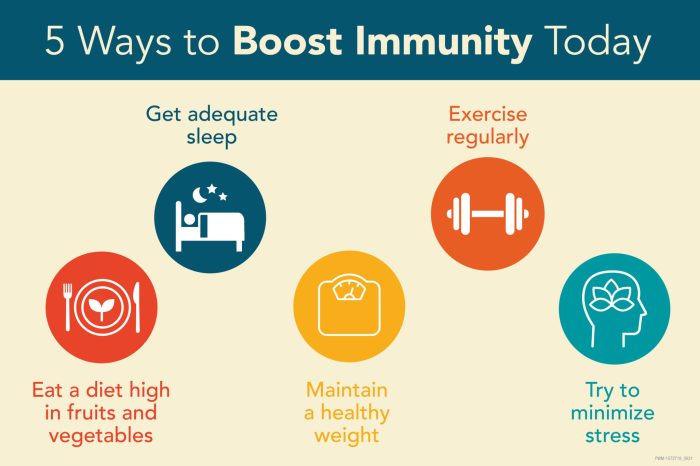
Maintaining good mental health is crucial for managing stress effectively. Our mental well-being directly impacts our stress levels and immune function. When we are stressed, our immune system weakens, making us more susceptible to illnesses. Therefore, improving our mental health can enhance our immune function and overall well-being.
Impact of Stress on Mental Well-being
Stress can have a significant impact on our mental health by causing symptoms such as anxiety, depression, irritability, and difficulty concentrating. Chronic stress can lead to more severe mental health issues if left unmanaged. It is essential to address stress to prevent negative effects on mental well-being.
Strategies for Improving Mental Health
- Practice relaxation techniques such as deep breathing, meditation, or yoga to reduce stress levels.
- Engage in activities you enjoy, such as hobbies, exercise, or spending time with loved ones, to boost mood and reduce stress.
- Seek support from a therapist or counselor to work through stressors and develop coping mechanisms.
- Establish a healthy work-life balance to prevent burnout and excessive stress.
- Ensure an adequate amount of sleep to support mental well-being and immune function.
Holistic Wellness
Holistic wellness is an approach that considers the whole person – mind, body, and spirit – in the quest for optimal health and wellness. By addressing all aspects of well-being, a holistic approach can help in managing stress more effectively and ultimately improving immune function.
Integration of Mental, Physical, and Emotional Well-being
- Physical Activity: Engaging in regular exercise not only benefits physical health but also has a positive impact on mental well-being by reducing stress and anxiety levels.
- Mindfulness and Meditation: Practices such as mindfulness and meditation help in calming the mind, reducing stress, and promoting emotional balance.
- Healthy Relationships: Nurturing positive relationships with others can provide emotional support and contribute to overall well-being.
- Nutrition: Eating a balanced diet rich in nutrients is essential for physical health, but it also plays a role in mental and emotional well-being.
Examples of Holistic Practices for Stress Reduction
- Yoga: A combination of physical postures, breathing exercises, and meditation, yoga promotes relaxation and reduces stress levels.
- Acupuncture: This traditional Chinese practice involves stimulating specific points on the body to alleviate stress and improve overall well-being.
- Aromatherapy: The use of essential oils from plants can have a calming effect on the mind and body, helping to reduce stress and promote relaxation.
- Massage Therapy: Massage not only eases muscle tension but also has a calming effect on the nervous system, reducing stress and promoting overall wellness.
Chronic Diseases
Chronic diseases are long-lasting conditions that can have a significant impact on a person’s overall health and quality of life. These conditions often require ongoing management and treatment to control symptoms and prevent complications.
Stress has been linked to the development and exacerbation of chronic diseases such as heart disease, diabetes, and autoimmune disorders. When the body is under chronic stress, the immune system is compromised, making it harder for the body to fight off infections and illnesses. This can lead to increased inflammation and damage to tissues and organs, contributing to the progression of chronic conditions.
Link Between Chronic Diseases, Stress, and Immune Function
- Chronic stress can weaken the immune system, making the body more susceptible to infections and illnesses.
- Prolonged stress can increase inflammation in the body, which is a common factor in many chronic diseases.
- Stress can also affect behaviors such as poor eating habits, lack of exercise, and inadequate sleep, which can further exacerbate chronic conditions.
Benefits of Stress Management for Chronic Diseases
- Effective stress management techniques, such as mindfulness meditation, deep breathing exercises, and regular physical activity, can help reduce the impact of stress on the body.
- By managing stress levels, individuals with chronic diseases can improve their immune function and overall health outcomes.
- Reducing stress can also help alleviate symptoms of chronic conditions, improve quality of life, and enhance the effectiveness of medical treatments.
Immunity Boosters
Stress can weaken our immune system, making us more susceptible to illness. By incorporating natural immunity boosters into our diet and lifestyle, we can support our immune function and better manage stress.
Natural Immunity Boosters
- Elderberry: Rich in antioxidants and vitamins, elderberry can help boost the immune system and reduce inflammation.
- Ginger: Known for its anti-inflammatory and antioxidant properties, ginger can help support immune function and reduce stress-related inflammation.
- Garlic: Contains allicin, a compound with immune-boosting properties that can help fight off infections and support overall immune health.
Benefits of Immune-Boosting Foods and Supplements
- Enhanced immune response: Consuming immune-boosting foods and supplements can help strengthen our body’s defenses against pathogens.
- Reduced inflammation: Many immune-boosting foods have anti-inflammatory properties, which can help alleviate stress-related inflammation in the body.
- Improved overall health: By supporting our immune system, we can reduce the risk of illness and promote overall well-being.
Lifestyle Choices for Immune Support
- Quality sleep: Adequate rest is crucial for immune function, as lack of sleep can weaken our body’s defenses and increase susceptibility to illness.
- Hydration: Staying hydrated is essential for maintaining optimal immune function and flushing out toxins that can contribute to stress.
- Regular exercise: Physical activity can help boost the immune system and reduce stress levels, promoting overall health and well-being.
Expert Answers: How To Manage Stress For Better Immune Function
How to manage stress for better immune function – How can mindfulness practices help reduce stress levels?
Mindfulness practices encourage living in the present moment, which can alleviate stress by promoting relaxation and mental clarity.
What are some natural immunity boosters that aid in stress management?
Herbs like echinacea, medicinal mushrooms, and vitamin C-rich foods can boost immunity and help combat the effects of stress.
Why is preventive care important in managing stress?
Regular health check-ups can detect early signs of stress-related issues, allowing for timely interventions and promoting overall well-being.