Mental Wellness
How to improve gut health for better immunity – Improving gut health can have a significant impact on mental well-being. The gut-brain axis plays a crucial role in this connection, as the gut and brain communicate bidirectionally through neural, endocrine, and immune pathways.
Strategies for Improving Gut Health
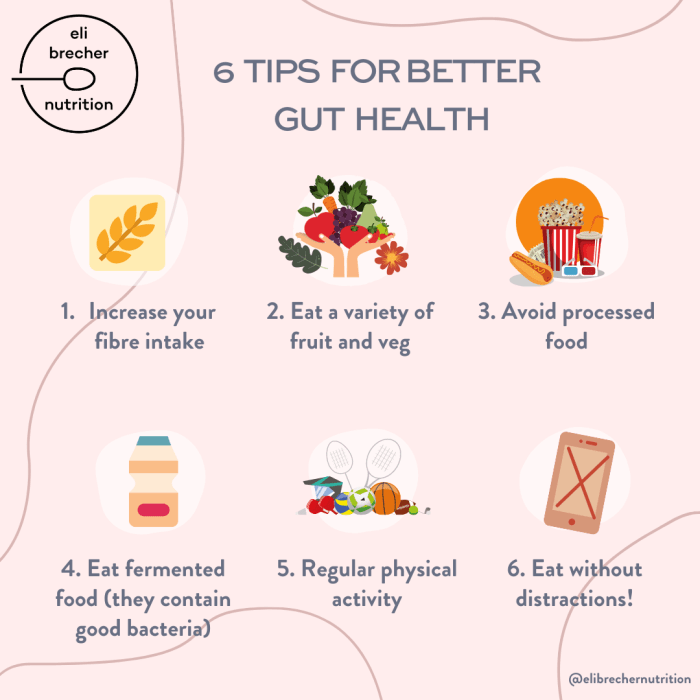
- Include probiotics and prebiotics in your diet to promote the growth of beneficial gut bacteria.
- Eat a diverse range of fruits, vegetables, whole grains, and fermented foods to support gut health.
- Limit processed foods, sugar, and artificial sweeteners, which can disrupt the balance of gut bacteria.
- Stay hydrated and drink plenty of water to support digestion and nutrient absorption.
- Manage stress through techniques like meditation, yoga, deep breathing, or mindfulness to reduce its negative impact on gut health.
Impact of Stress and Anxiety on Gut Health
Chronic stress and anxiety can lead to inflammation in the gut, affecting the balance of gut bacteria and weakening the immune system. Stress hormones like cortisol can disrupt the gut microbiome, leading to digestive issues, food sensitivities, and a weakened immune response.
Physical Fitness
Regular physical activity plays a crucial role in maintaining a healthy gut and supporting overall immunity. Exercise can help improve gut health by promoting better digestion, reducing inflammation, and enhancing the diversity of beneficial gut bacteria.
Exercises for Gut Health and Immunity
- Cardiovascular exercises: Activities like running, cycling, or swimming can help increase blood flow to the digestive system, promoting better nutrient absorption and gut motility.
- Strength training: Building muscle through weightlifting or bodyweight exercises can help support metabolic health, which in turn benefits gut function.
- Yoga: Practicing yoga poses and breathing techniques can help reduce stress levels, which is essential for a healthy gut microbiome.
- Pilates: This low-impact exercise focuses on core strength and can aid in improving digestion and reducing bloating.
Importance of a Balanced Workout Routine
Maintaining a balanced workout routine that includes a combination of cardiovascular, strength training, flexibility, and relaxation exercises is essential for overall wellness. Each type of exercise provides unique benefits that collectively contribute to a healthy gut and strong immune system. Variety in workouts helps prevent boredom, reduces the risk of overuse injuries, and ensures that different muscle groups are targeted for optimal health. Remember to consult with a healthcare professional or fitness expert to tailor a workout plan that suits your individual needs and goals.
Healthy Eating
Eating a diet rich in key foods can significantly improve gut health and boost immunity. Incorporating foods that promote a healthy gut microbiome is essential for overall well-being.
Explain the significance of fiber, probiotics, and prebiotics in gut health.
Key Foods for Gut Health
- Probiotic-rich foods: Foods like yogurt, kefir, kimchi, and sauerkraut contain beneficial bacteria that can help restore and maintain a healthy balance in the gut.
- High-fiber foods: Whole grains, fruits, vegetables, and legumes are excellent sources of fiber that promote digestion and support a diverse gut microbiome.
- Prebiotic foods: Foods such as garlic, onions, bananas, and asparagus contain prebiotics that fuel the growth of good bacteria in the gut.
Recipes for Gut Health and Immunity
- Immune-Boosting Smoothie: Blend together spinach, kale, banana, berries, Greek yogurt, and a sprinkle of chia seeds for a nutrient-packed smoothie that supports gut health and immunity.
- Quinoa and Veggie Stir-Fry: Cook quinoa and stir-fry with a variety of colorful vegetables like bell peppers, broccoli, and carrots. Add tofu or lean protein for a complete meal that is rich in fiber and nutrients.
- Greek Yogurt Parfait: Layer Greek yogurt with granola, nuts, seeds, and honey for a delicious and gut-friendly snack that is also packed with probiotics.
Preventive Care: How To Improve Gut Health For Better Immunity
Regular health check-ups play a crucial role in monitoring gut health and overall well-being. By taking preventive measures, individuals can prevent gut-related issues and boost their immunity. Early detection of gut health problems is key for timely intervention and effective treatment.
Importance of Regular Health Check-ups
Regular health check-ups are essential for monitoring gut health as they can help identify any potential issues early on. These check-ups allow healthcare providers to assess the overall health of the digestive system and detect any abnormalities that may indicate gut-related problems. By staying proactive with routine check-ups, individuals can address any concerns promptly and prevent serious complications.
Preventive Measures for Gut Health
– Maintain a balanced diet rich in fiber, fruits, and vegetables to promote healthy digestion.
– Stay hydrated by drinking an adequate amount of water throughout the day to support gut function.
– Incorporate probiotics and prebiotics into your diet to promote a healthy gut microbiome.
– Practice stress-reducing techniques such as meditation or yoga to reduce gut inflammation and improve digestion.
– Engage in regular physical activity to promote gut motility and overall digestive health.
Tips for Early Detection of Gut Health Problems
– Pay attention to changes in bowel habits, such as constipation, diarrhea, or bloating.
– Keep track of any persistent abdominal pain or discomfort that may indicate underlying gut issues.
– Notice any changes in appetite or weight loss that are unexplained and seek medical advice.
– Be mindful of symptoms like heartburn, indigestion, or vomiting that could signal digestive problems.
– Consult a healthcare provider if you experience prolonged gastrointestinal issues for proper evaluation and diagnosis.
Balanced Diet
A balanced diet plays a crucial role in maintaining gut health and supporting overall immunity. By incorporating a variety of nutrient-rich foods, you can create a gut-friendly diet that promotes optimal health.
Impact of Processed Foods and Sugars
Processed foods and excessive sugar intake can have detrimental effects on gut health. These foods are often low in fiber and high in unhealthy fats, leading to inflammation in the gut. Additionally, the artificial additives and preservatives in processed foods can disrupt the balance of good bacteria in the gut, further compromising immune function.
Meal Planning Tips
To ensure a well-rounded diet that supports immunity, consider the following meal planning tips:
- Include a variety of fruits and vegetables in your meals to provide essential vitamins, minerals, and antioxidants.
- Incorporate whole grains, such as brown rice and quinoa, to boost fiber intake and support digestive health.
- Choose lean sources of protein, such as poultry, fish, tofu, or legumes, to promote muscle growth and repair.
- Include healthy fats from sources like nuts, seeds, and avocado to support brain function and reduce inflammation.
- Avoid or limit processed foods, sugary snacks, and sugary beverages to reduce inflammation and support gut health.
- Stay hydrated by drinking an adequate amount of water throughout the day to support digestion and overall health.
By following these meal planning tips and focusing on a balanced diet rich in whole, nutrient-dense foods, you can help improve your gut health and enhance your immune system’s function.
Regular Exercise
Regular exercise plays a crucial role in maintaining not only physical fitness but also in improving gut health and boosting immunity. When we engage in physical activity, our body experiences various positive changes that can directly impact our gut microbiota and overall immune system.
Benefits of Regular Physical Activity
Regular physical activity helps in promoting a healthy gut by increasing blood flow to the intestines, which in turn enhances nutrient absorption and supports the growth of beneficial gut bacteria. Additionally, exercise can reduce inflammation in the body, which is linked to various gut-related issues and compromised immune function.
- Enhances gut motility and digestion
- Strengthens immune response
- Reduces the risk of gastrointestinal disorders
- Promotes a diverse and robust gut microbiome
Relationship Between Sedentary Lifestyles and Gut-Related Issues
A sedentary lifestyle, characterized by prolonged sitting and lack of physical activity, can have detrimental effects on gut health and immunity. Individuals who do not engage in regular exercise are more prone to experiencing digestive issues, imbalanced gut flora, and weakened immune function. This sedentary behavior can lead to an increased risk of conditions such as obesity, inflammatory bowel disease, and autoimmune disorders.
- Decreased gut motility and slower digestion
- Imbalance in gut bacteria composition
- Weakened immune response
- Higher susceptibility to gastrointestinal diseases
Mental Health
When it comes to improving gut health for better immunity, we cannot overlook the crucial connection between mental health, gut health, and immunity. Our mental state plays a significant role in the functioning of our gut and overall immune system.
Strategies to Improve Mental Health, How to improve gut health for better immunity
Improving mental health can have a positive impact on gut health, leading to better immunity. Here are some strategies to enhance mental well-being:
- Adequate sleep: Prioritize getting enough sleep as it helps regulate mood and reduce stress levels, benefiting both mental and gut health.
- Regular exercise: Physical activity is known to release endorphins that can improve mood, reduce anxiety, and promote a healthy gut environment.
- Healthy diet: Consuming nutrient-rich foods can support brain function and mental well-being, indirectly influencing gut health.
- Stress management techniques: Practicing mindfulness, meditation, yoga, or deep breathing exercises can help lower stress levels, benefiting gut health and immunity.
Role of Mindfulness and Stress Management
Mindfulness practices and stress management techniques play a crucial role in maintaining a healthy gut and overall well-being. By reducing stress levels and promoting a sense of calm, these practices contribute to a balanced gut microbiome and a stronger immune system.
Holistic Wellness
Holistic wellness focuses on treating the body as a whole, addressing physical, mental, emotional, and spiritual well-being. When it comes to gut health, holistic approaches consider the interconnectedness of the body systems and how they impact digestion, absorption of nutrients, and overall immunity.
Benefits of Holistic Approaches
Holistic approaches can benefit overall immunity by promoting a healthy balance within the gut microbiome, reducing inflammation, and supporting the body’s natural defense mechanisms. Practices such as stress management, adequate sleep, mindfulness, and regular physical activity can all contribute to a healthy gut and improved immunity.
- Practicing mindfulness and stress reduction techniques like meditation or yoga can help reduce inflammation in the gut and support a healthy microbiome.
- Getting enough quality sleep is essential for gut health, as it allows the body to repair and regenerate cells that contribute to a strong immune system.
- Eating a diverse and nutrient-rich diet, including plenty of fiber, prebiotics, and probiotics, can support a healthy gut microbiome and overall immunity.
- Engaging in regular physical activity can improve gut motility and promote a healthy balance of gut bacteria, which can enhance immune function.
Chronic Diseases
Poor gut health can significantly contribute to the development of chronic diseases. The gut microbiome plays a crucial role in regulating the immune system, inflammation, and nutrient absorption. When the balance of good and bad bacteria in the gut is disrupted, it can lead to various health issues, including chronic conditions.
Importance of Gut Health in Preventing Chronic Conditions
Having a healthy gut is essential in preventing the onset of chronic diseases. A diverse and balanced gut microbiome helps to strengthen the immune system, reduce inflammation, and improve overall health. By maintaining good gut health through proper diet, lifestyle choices, and probiotic supplementation, individuals can lower their risk of developing chronic conditions.
Improving Gut Health to Manage Existing Chronic Diseases
Improving gut health can also play a crucial role in managing existing chronic diseases. By enhancing the diversity of gut bacteria, reducing inflammation, and optimizing nutrient absorption, individuals with chronic conditions such as diabetes, heart disease, or autoimmune disorders may experience improvements in their symptoms and overall health. Incorporating prebiotic-rich foods, probiotics, and fiber into their diet can help support a healthier gut microbiome and potentially alleviate the severity of chronic diseases.
Immunity Boosters
Improving gut health for better immunity involves incorporating natural immunity boosters into your daily meals. These boosters can help strengthen your immune system and overall well-being.
Role of Vitamins, Minerals, and Antioxidants
Vitamins, minerals, and antioxidants play a crucial role in boosting immunity by supporting the body’s defense mechanisms. They help in fighting off harmful pathogens and keeping the gut healthy.
For example, Vitamin C is known for its immune-boosting properties, while zinc helps in wound healing and immune function.
Tips for Incorporating Immune-Boosting Foods
- Include a variety of colorful fruits and vegetables in your meals to get a range of vitamins and antioxidants.
- Opt for fermented foods like yogurt, kefir, and kimchi to promote good gut bacteria.
- Add nuts, seeds, and whole grains to your diet for a good source of minerals and fiber.
- Drink plenty of water to stay hydrated and aid digestion, which is essential for gut health.
Answers to Common Questions
How does stress impact gut health and immunity?
Chronic stress can disrupt the balance of bacteria in the gut, leading to inflammation and weakened immunity.
What role do probiotics play in improving gut health?
Probiotics are beneficial bacteria that can help restore the natural balance of the gut microbiome, supporting digestion and immunity.
Are there specific foods that can boost gut health?
Foods rich in fiber, such as fruits, vegetables, and whole grains, along with probiotic-rich foods like yogurt and kefir, can promote a healthy gut microbiome.