Mental wellness support groups and resources
Mental wellness support groups and resources – Joining mental wellness support groups can offer numerous benefits to individuals struggling with their mental health. These groups provide a safe space for individuals to share their experiences, receive emotional support, and learn coping strategies from others facing similar challenges.
Types of mental health resources
There are various types of mental health resources available both online and offline to support individuals in need. These resources include therapy services, helplines, crisis intervention programs, educational materials, and self-help tools.
Examples of famous mental wellness support groups
- NAMI (National Alliance on Mental Illness): NAMI offers support groups, educational programs, and advocacy for individuals affected by mental illness.
- DBSA (Depression and Bipolar Support Alliance): DBSA provides peer-led support groups for individuals living with mood disorders.
- To Write Love on Her Arms: TWLOHA is a non-profit organization that supports individuals struggling with depression, addiction, self-injury, and suicidal thoughts through online resources and community events.
Effectiveness of online versus in-person support groups
Both online and in-person support groups have their own advantages and limitations. Online support groups offer convenience, anonymity, and accessibility, especially for individuals with physical limitations or social anxiety. In contrast, in-person support groups provide face-to-face interaction, a sense of community, and immediate emotional support. The effectiveness of each type of support group may vary depending on individual preferences and needs.
Physical Fitness for Mental Wellness
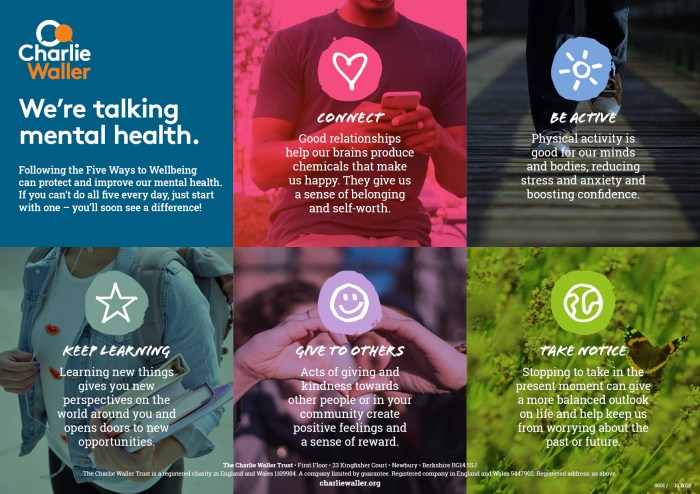
Regular physical exercise is vital for maintaining good mental health. Physical fitness contributes to mental wellness by releasing endorphins, which are known as “feel-good” hormones. These endorphins help reduce feelings of stress, anxiety, and depression, leading to an overall improvement in mood and mental well-being.
Importance of Incorporating Physical Exercise
Physical exercise should be incorporated into a mental wellness routine as it not only improves physical health but also has a positive impact on mental health. Engaging in regular exercise can help boost self-esteem, increase energy levels, enhance sleep quality, and improve cognitive function. It also provides a healthy coping mechanism for dealing with daily stressors and challenges.
Examples of Physical Fitness Activities
- Cardiovascular exercises such as running, cycling, or swimming can help reduce symptoms of anxiety and depression.
- Strength training exercises like weightlifting or bodyweight workouts can improve self-confidence and body image.
- Yoga and Pilates focus on mindfulness, breathing, and relaxation, promoting stress relief and mental clarity.
Comparison of Different Types of Physical Fitness Regimes
When it comes to mental wellness, the effectiveness of physical fitness regimes may vary based on individual preferences and needs. Some individuals may benefit more from high-intensity workouts that release a surge of endorphins, while others may find peace and tranquility through low-impact activities like yoga. It is essential to find a balance and incorporate a variety of exercises that cater to both physical and mental well-being.
Healthy Eating for Mental Health
Eating a balanced diet plays a crucial role in supporting mental well-being. The foods we consume can have a direct impact on our mood, energy levels, and overall mental health.
Specific Nutrients and Foods
Certain nutrients and foods are known to support mental health:
- Fatty Acids: Omega-3 fatty acids found in fish like salmon and nuts like walnuts can help improve mood and reduce symptoms of depression.
- Antioxidants: Foods rich in antioxidants such as berries, dark chocolate, and leafy greens can protect the brain from oxidative stress and inflammation.
- Probiotics: Fermented foods like yogurt and kimchi can promote gut health, which is linked to improved mood and reduced anxiety.
Unhealthy Eating Habits and Mental Health
Unhealthy eating habits, such as consuming excessive amounts of processed foods, sugary snacks, and caffeine, can negatively impact mental health:
- High sugar intake can lead to energy crashes and mood swings.
- Processed foods lack essential nutrients needed for optimal brain function and may contribute to feelings of fatigue and low mood.
- Caffeine consumption in excess can disrupt sleep patterns and increase feelings of anxiety.
Tips for Creating a Meal Plan
When planning meals to support mental wellness, consider the following tips:
- Incorporate a variety of fruits, vegetables, whole grains, lean proteins, and healthy fats into your diet.
- Aim for balance and moderation, avoiding extreme diets or restriction that may impact mood and energy levels.
- Stay hydrated by drinking plenty of water throughout the day, as dehydration can affect cognitive function and mood.
Preventive Care for Mental Health
Maintaining good mental health is crucial for overall well-being. By taking preventive measures, individuals can protect their mental health and reduce the risk of developing mental health issues.
Importance of Early Intervention
Early intervention plays a key role in preventing mental health issues from escalating. Recognizing symptoms early on and seeking help can make a significant difference in managing and treating mental health conditions effectively.
Role of Regular Mental Health Check-ups
Regular mental health check-ups are essential for preventive care. These check-ups can help identify any potential issues early, allowing for timely intervention and support. They also provide an opportunity for individuals to discuss their mental health concerns with healthcare professionals.
Examples of Successful Preventive Care Programs
– Workplace mental health programs that focus on stress management, resilience building, and promoting work-life balance.
– Community-based initiatives that offer mental health education, support groups, and access to resources for individuals in need.
– School-based programs that promote mental wellness through activities, workshops, and counseling services.
Holistic Wellness Approach: Mental Wellness Support Groups And Resources
A holistic approach to wellness integrates mental health with other aspects of well-being, such as physical and emotional health. This approach recognizes the interconnectedness of these different facets and aims to address them collectively for overall wellness.
Benefits of Holistic Wellness
- Improved overall quality of life
- Enhanced self-awareness and mindfulness
- Greater resilience to stress and life challenges
- Promotion of a balanced and harmonious lifestyle
Examples of Holistic Wellness Practices, Mental wellness support groups and resources
- Yoga and meditation for mental clarity and emotional balance
- Healthy nutrition to support brain function and mood regulation
- Regular exercise for physical fitness and mental well-being
- Therapeutic activities like art therapy or music therapy
Comparison with Traditional Mental Health Treatments
A traditional mental health approach often focuses solely on addressing symptoms and specific mental health conditions through medication and therapy. In contrast, a holistic wellness approach looks at the individual as a whole, considering lifestyle, environment, and overall well-being to promote mental health and prevent issues from arising.
Chronic Diseases and Mental Health
Chronic diseases can have a significant impact on mental health, leading to increased stress, anxiety, and depression. The constant management of symptoms, lifestyle changes, and uncertainty about the future can take a toll on an individual’s mental well-being.
Relationship between Chronic Diseases and Mental Health
Chronic diseases such as diabetes, heart disease, and autoimmune disorders are often linked to mental health issues. The stress of managing a chronic illness can exacerbate existing mental health conditions or lead to the development of new ones.
- Chronic pain and fatigue from conditions like fibromyalgia or arthritis can contribute to feelings of depression and anxiety.
- The emotional impact of living with a chronic illness, such as grief, frustration, and anger, can affect mental well-being.
- Medication side effects and physical limitations can also impact mood and overall mental health.
Managing Chronic Diseases and Impact on Mental Wellness
Effectively managing chronic diseases through proper treatment, lifestyle modifications, and support can positively impact mental wellness. By addressing both physical and mental health needs, individuals can experience improved quality of life and overall well-being.
- Regular exercise and physical activity can help reduce symptoms of depression and anxiety in individuals with chronic diseases.
- Healthy eating habits and nutrition can support both physical health and mental well-being.
- Engaging in mindfulness practices and relaxation techniques can help alleviate stress and improve mental health outcomes.
Support Groups for Individuals with Chronic Diseases and Mental Health Concerns
There are support groups specifically tailored for individuals dealing with both chronic diseases and mental health concerns. These groups provide a safe space for individuals to share their experiences, receive emotional support, and learn coping strategies for managing their conditions.
- A support group for individuals with diabetes and depression can offer guidance on managing blood sugar levels while addressing mental health challenges.
- Online forums for individuals with chronic pain and anxiety can provide a platform for sharing tips on pain management and emotional well-being.
- Support groups for cancer survivors focusing on mental health can help individuals navigate the emotional impact of their diagnosis and treatment.
Importance of Mental Health Support in Overall Disease Management
Mental health support is a crucial component of overall disease management for individuals with chronic illnesses. By addressing mental health needs alongside physical health concerns, individuals can improve their treatment outcomes, quality of life, and overall well-being.
- Reducing stress and anxiety through therapy or support groups can improve adherence to treatment plans and overall health outcomes.
- Enhancing coping skills and resilience can help individuals better navigate the challenges of living with a chronic illness.
- Creating a holistic approach to care that considers both physical and mental health can lead to better overall health and wellness outcomes.
Immunity Boosters and Mental Wellness
The link between a strong immune system and mental wellness is significant. Research has shown that a healthy immune system can help reduce inflammation in the brain, which is linked to mood disorders like depression and anxiety. When our immune system is functioning optimally, it can better protect our brain cells and support overall mental health.
Natural Immunity Boosters for Mental Well-being
- 1. Vitamin C: Known for its immune-boosting properties, vitamin C can also help reduce stress and improve mood.
- 2. Zinc: Supports immune function and has been linked to lower rates of depression and anxiety.
- 3. Probiotics: Beneficial for gut health, probiotics can also enhance immune response and positively impact mental well-being.
- 4. Omega-3 fatty acids: Found in fish and nuts, omega-3s can help reduce inflammation and support brain health, benefiting mental wellness.
Impact of Immunity-Boosting Practices on Mental Health
Practicing immunity-boosting habits such as consuming a balanced diet rich in vitamins and minerals, staying hydrated, getting regular exercise, and managing stress can have a positive impact on mental health outcomes. By supporting our immune system, we are also supporting our mental well-being, leading to improved mood, reduced anxiety, and better overall cognitive function.
Frequently Asked Questions
How can joining mental wellness support groups benefit individuals?
Joining support groups can provide a sense of community, reduce isolation, offer coping strategies, and promote emotional healing.
What are some examples of famous mental wellness support groups?
Examples include NAMI (National Alliance on Mental Illness), DBSA (Depression and Bipolar Support Alliance), and The Trevor Project.
Which is more effective, online or in-person support groups for mental health?
Effectiveness can vary based on individual preferences and needs. Online groups offer convenience, while in-person groups provide more personal interaction.