Mental Wellness
How to manage pain associated with chronic diseases – When dealing with pain associated with chronic diseases, mental wellness plays a crucial role in managing and coping with the challenges that come with it. The impact of mental health on chronic pain management cannot be overstated, as it can affect the overall experience of pain and the individual’s quality of life.
Importance of Mental Wellness
- Practicing mindfulness and relaxation techniques can help reduce stress levels, which can in turn alleviate pain symptoms.
- Engaging in regular physical activity releases endorphins, which are natural painkillers and mood boosters.
- Seeking counseling or therapy can provide emotional support and coping strategies to deal with the mental toll of chronic pain.
Strategies for Improving Mental Wellness
- Establishing a support system of friends, family, or support groups can provide a sense of belonging and understanding.
- Setting realistic goals and expectations for managing pain can help maintain a positive outlook and motivation.
- Practicing self-care activities such as hobbies, relaxation techniques, and healthy habits can improve mental well-being.
Connection Between Mental Health and Chronic Pain Management
- Research has shown that individuals with untreated mental health conditions are more likely to experience heightened pain sensitivity.
- Chronic pain can lead to feelings of isolation, depression, and anxiety, making it essential to address mental wellness alongside physical symptoms.
- Integrated treatment approaches that address both mental health and pain management have been found to be more effective in improving overall well-being.
Physical Fitness
Regular physical fitness plays a crucial role in managing pain associated with chronic diseases. Engaging in appropriate exercises can help reduce pain levels, improve flexibility, and enhance overall well-being for individuals suffering from chronic pain.
Low-Impact Exercises for Managing Chronic Pain
- Swimming: This low-impact exercise is gentle on the joints while providing a full-body workout. It helps improve cardiovascular health and muscle strength without causing additional strain on the body.
- Yoga: Practicing yoga can help increase flexibility, reduce stress, and improve posture. It also focuses on breathing techniques, which can aid in relaxation and pain management.
- Walking: Walking is a simple yet effective way to stay active. It can help improve circulation, strengthen muscles, and boost mood, all of which contribute to managing chronic pain.
Role of Physical Activity in Improving Well-Being
Regular physical activity not only helps in reducing pain but also plays a significant role in improving overall well-being for individuals with chronic diseases. It can help increase energy levels, improve sleep quality, and enhance mental health. By incorporating suitable exercises into their routine, chronic pain sufferers can experience a better quality of life and increased functional ability.
Healthy Eating
Eating a healthy diet plays a crucial role in managing pain associated with chronic diseases. The food we consume can either contribute to inflammation and worsen pain or help reduce inflammation and alleviate discomfort. Incorporating anti-inflammatory foods into your daily meals can significantly impact your pain levels and overall well-being.
Impact of a Healthy Diet on Pain Management
A diet rich in fruits, vegetables, whole grains, lean proteins, and healthy fats can provide essential nutrients that support the body’s natural healing processes. These nutrient-dense foods help reduce inflammation, which is often a major contributor to chronic pain conditions. By fueling your body with the right nutrients, you can help manage pain more effectively and improve your quality of life.
- Include plenty of colorful fruits and vegetables in your meals to benefit from their antioxidant properties, which help reduce inflammation.
- Incorporate omega-3 fatty acids found in fatty fish, flaxseeds, chia seeds, and walnuts to help decrease inflammation and alleviate pain.
- Avoid or limit processed foods, sugary snacks, and refined carbohydrates, as they can promote inflammation and worsen pain symptoms.
Correlation between Nutrition and Pain Management
Nutrition plays a vital role in pain management for individuals with chronic diseases. Certain foods can trigger inflammatory responses in the body, leading to increased pain and discomfort. On the other hand, a balanced diet that focuses on whole, nutrient-rich foods can help reduce inflammation and support the body’s healing processes.
By making conscious choices about the foods you eat, you can positively impact your pain levels and overall health.
Preventive Care
Preventive care plays a crucial role in reducing the risk of complications associated with chronic diseases. By implementing proactive measures, individuals can effectively manage pain and improve their overall quality of life.
Examples of Preventive Measures
- Engaging in regular physical activity: Exercise can help reduce inflammation, improve mobility, and alleviate pain in individuals with chronic conditions such as arthritis or fibromyalgia.
- Following a balanced diet: Consuming a nutritious diet rich in fruits, vegetables, whole grains, and lean proteins can help control weight, reduce inflammation, and support overall health.
- Managing stress: Stress management techniques such as meditation, yoga, or deep breathing exercises can help lower stress levels, which in turn can reduce pain perception.
- Getting adequate sleep: Quality sleep is essential for the body to repair and recover, promoting pain relief and overall well-being.
Role of Regular Check-ups and Screenings
Regular check-ups and screenings are vital for the early detection and management of chronic pain. These medical evaluations can help healthcare providers identify any changes in the condition, adjust treatment plans accordingly, and address any emerging issues before they escalate.
Balanced Diet
Eating a balanced diet is crucial for individuals dealing with chronic pain as it can help manage inflammation, boost energy levels, and promote overall well-being. Proper nutrition plays a significant role in reducing pain levels and improving the quality of life for those with chronic diseases.
Guidelines for Creating a Well-Rounded Meal Plan
Creating a well-rounded meal plan is essential for supporting pain management in chronic diseases. Here are some guidelines to consider:
- Include a variety of fruits and vegetables in your diet to ensure you are getting essential vitamins, minerals, and antioxidants that can help reduce inflammation.
- Incorporate lean proteins such as fish, poultry, beans, and nuts to support muscle health and repair tissues.
- Choose whole grains like brown rice, quinoa, and whole wheat bread to provide sustained energy and fiber for digestive health.
- Avoid processed foods, sugary snacks, and excessive amounts of salt, as they can contribute to inflammation and worsen pain symptoms.
- Stay hydrated by drinking plenty of water throughout the day to support proper digestion and nutrient absorption.
Impact of Proper Nutrition on Pain Levels
Proper nutrition not only helps manage pain but also has a significant impact on overall health in chronic conditions. A balanced diet can:
- Reduce inflammation in the body, which is a common contributor to pain in chronic diseases such as arthritis and fibromyalgia.
- Support a healthy weight, as excess weight can put added stress on joints and worsen pain symptoms.
- Provide essential nutrients for optimal muscle function and tissue repair, helping the body cope with the challenges of chronic pain.
- Boost energy levels and improve mood, enhancing the overall quality of life for individuals living with chronic diseases.
Regular Exercise: How To Manage Pain Associated With Chronic Diseases
Regular exercise plays a crucial role in managing pain associated with chronic diseases. It not only helps in reducing pain but also improves mobility and overall quality of life for individuals dealing with chronic conditions.
Benefits of Regular Exercise
- Improves flexibility and range of motion in joints, reducing stiffness and discomfort.
- Strengthens muscles, providing better support to the body and reducing strain on affected areas.
- Enhances circulation, delivering more oxygen and nutrients to tissues, promoting healing and reducing inflammation.
- Boosts mood and mental well-being, reducing stress and anxiety often associated with chronic pain.
Examples of Suitable Exercises
- Low-Impact Aerobics: Swimming, walking, or cycling are gentle on the joints and beneficial for conditions like arthritis.
- Strength Training: Using light weights or resistance bands can help build muscle and support joints for conditions like fibromyalgia.
- Yoga or Pilates: Improve flexibility, strength, and relaxation, beneficial for conditions like back pain or multiple sclerosis.
Role of Physical Activity in Enhancing Quality of Life
Regular physical activity not only helps in managing pain but also improves overall quality of life for chronic pain patients. It can lead to better sleep, increased energy levels, and a sense of accomplishment, boosting confidence and reducing the impact of pain on daily activities.
Mental Health
Mental health plays a crucial role in how individuals perceive and manage pain associated with chronic diseases. The emotional and psychological well-being of a person can significantly impact their pain levels and overall quality of life. It is essential to address mental health alongside physical health when dealing with chronic pain.
Strategies for Maintaining Good Mental Health
- Practice relaxation techniques such as deep breathing, meditation, or yoga to reduce stress and anxiety.
- Engage in activities that bring joy and fulfillment, such as hobbies, spending time with loved ones, or creative outlets.
- Seek professional help from therapists, counselors, or support groups to process emotions and develop coping strategies.
- Stay physically active to release endorphins and improve overall mood and mental well-being.
Importance of Seeking Professional Help
- Professional help can provide individuals with the tools and support needed to effectively manage mental health issues related to chronic pain.
- Therapists and counselors can help individuals develop healthy coping mechanisms and strategies to navigate the emotional challenges that come with chronic pain.
- Support groups offer a sense of community and understanding, reducing feelings of isolation and providing a platform for sharing experiences and advice.
- Ignoring mental health issues can lead to worsening pain perception, increased stress levels, and decreased quality of life. Seeking help is a proactive step towards holistic healing.
Holistic Wellness
Holistic wellness is a comprehensive approach to health that considers the whole person – mind, body, and spirit. When it comes to managing pain from chronic diseases, holistic wellness focuses on addressing the underlying causes of pain rather than just treating the symptoms. By taking into account all aspects of a person’s well-being, holistic wellness can help individuals better cope with chronic pain and improve their overall quality of life.
Holistic Approaches for Pain Management
- Acupuncture: This traditional Chinese medicine practice involves inserting thin needles into specific points on the body to help relieve pain and improve overall well-being.
- Yoga and Meditation: Practices like yoga and meditation can help reduce stress, improve flexibility, and promote relaxation, all of which can contribute to pain relief.
- Herbal Remedies: Some herbs and supplements have been found to have anti-inflammatory properties and can help reduce pain and inflammation in the body.
- Mind-Body Therapies: Techniques like cognitive behavioral therapy (CBT) and biofeedback can help individuals manage pain by changing their thought patterns and learning to control physical responses to pain.
Benefits of Holistic Practices
- Reduced Reliance on Medications: By incorporating holistic practices into their treatment plan, individuals may be able to reduce their dependence on pain medications, which can come with side effects and risks.
- Improved Quality of Life: Holistic approaches can help individuals better manage their pain and improve their overall well-being, leading to a higher quality of life despite dealing with chronic diseases.
- Personalized Care: Holistic wellness takes into account each individual’s unique needs and preferences, allowing for a more personalized and comprehensive approach to pain management.
Chronic Diseases
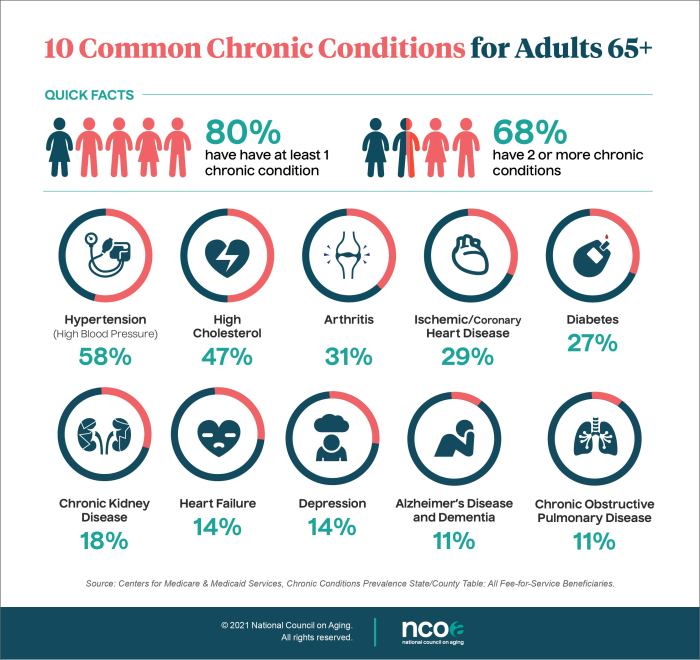
Chronic diseases are long-term conditions that often result in persistent pain and discomfort for individuals. These diseases require ongoing management and treatment to help individuals maintain their quality of life.
Common Chronic Diseases Associated with Persistent Pain, How to manage pain associated with chronic diseases
- Arthritis: A common chronic condition that causes joint pain and inflammation.
- Fibromyalgia: Characterized by widespread musculoskeletal pain accompanied by fatigue, sleep, memory, and mood issues.
- Migraines: Recurrent headaches that can be debilitating and cause intense pain.
- Diabetes: Can lead to nerve damage (neuropathy) and result in chronic pain in the hands and feet.
Challenges of Managing Pain in Chronic Conditions
- Constant Pain: Dealing with persistent pain can be mentally and physically exhausting.
- Impact on Daily Life: Chronic pain can limit mobility, affect mood, and disrupt daily activities.
- Dependency on Medications: Long-term use of pain medications can lead to dependency and potential side effects.
The Importance of a Multidisciplinary Approach
When it comes to treating chronic diseases and associated pain, a multidisciplinary approach involving healthcare professionals from various fields is crucial. This approach can provide a comprehensive and holistic treatment plan that addresses the physical, mental, and emotional aspects of chronic pain management.
Immunity Boosters
Having a strong immune system is crucial in managing chronic diseases and the associated pain. A well-functioning immune system can help the body fight off infections and reduce inflammation, which are common factors in chronic pain conditions.
Natural Immunity Boosters
- Eating a balanced diet rich in fruits, vegetables, and whole grains can provide essential vitamins and minerals that support immune function.
- Regular exercise can help boost immunity by increasing circulation and promoting overall health.
- Getting an adequate amount of sleep is important for immune function, as the body repairs and regenerates during rest.
- Stress management techniques such as meditation, deep breathing, and yoga can help reduce inflammation and support immune health.
Immune Function and Chronic Pain
The immune system plays a significant role in the body’s response to chronic pain. Chronic inflammation, which is common in many chronic diseases, can lead to increased pain sensitivity and discomfort. By supporting immune function through healthy lifestyle habits and natural immunity boosters, individuals may experience reduced inflammation and pain levels associated with chronic conditions.
Q&A
How can mental wellness impact pain management in chronic diseases?
Mental wellness plays a crucial role in managing pain associated with chronic diseases by influencing how individuals perceive and cope with their symptoms. Strategies for improving mental health can lead to better pain management outcomes.
What role does preventive care play in managing pain from chronic conditions?
Preventive care is essential in reducing the risk of complications from chronic diseases, which can exacerbate pain levels. Regular check-ups and preventive measures can help individuals better manage their pain.
How does nutrition affect pain levels in individuals with chronic diseases?
A healthy diet rich in anti-inflammatory foods can help alleviate pain associated with chronic conditions. Proper nutrition is crucial for managing pain effectively and improving overall health.