Best Physical Fitness Apps for Tracking Progress
Best physical fitness apps for tracking progress – Tracking progress is essential for achieving fitness goals, and these top 5 physical fitness apps are popular for helping users monitor their journey towards better health and wellness.
1. MyFitnessPal
- Key Features: Allows users to track daily food intake, exercise routines, and weight progress.
- Helps users stay motivated by providing a comprehensive overview of their calorie intake and expenditure.
- Keeps users accountable by setting personalized goals and sending reminders to log meals and workouts.
2. Fitbit
- Key Features: Tracks steps, sleep patterns, heart rate, and exercise activities.
- Offers challenges and rewards to keep users engaged and motivated.
- Syncs with other fitness apps and devices for a holistic view of health and fitness progress.
3. Nike Training Club
- Key Features: Provides guided workout routines based on user’s fitness goals and preferences.
- Offers progress tracking for strength, endurance, and flexibility improvements.
- Includes social features to connect with friends and share achievements for added motivation.
4. Strava
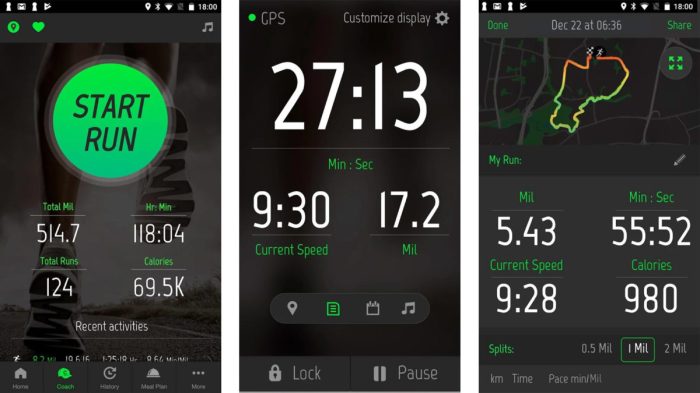
- Key Features: Tracks running and cycling activities with GPS mapping and real-time stats.
- Allows users to set goals, join challenges, and compete with others in the community.
- Provides detailed analysis of performance metrics to help users improve and stay committed to their fitness routine.
5. Strong Workout Tracker
- Key Features: Helps users plan and track strength training workouts with customizable routines.
- Includes a built-in timer and rest intervals for optimized workout sessions.
- Visualizes progress through graphs and charts, showing improvements in strength and muscle endurance over time.
Mental Wellness and Physical Fitness
Physical fitness and mental wellness are closely interconnected, with each influencing the other in a profound way. Engaging in regular physical activity has been shown to have a positive impact on mental health by reducing symptoms of anxiety, depression, and stress. Additionally, staying active can improve one’s overall mood and boost self-esteem.
Benefits of Tracking Progress through Fitness Apps
- Setting and Achieving Goals: Fitness apps allow users to set specific fitness goals and track their progress towards achieving them. This sense of accomplishment can boost confidence and motivation, leading to a positive impact on mental well-being.
- Visual Representation: Visualizing progress through graphs, charts, or notifications can provide a sense of achievement and encouragement, promoting a positive mindset.
- Accountability and Consistency: Fitness apps can help individuals stay accountable by reminding them to exercise, log their meals, or track their progress regularly. This consistency can lead to improved mental discipline and reduced stress levels.
- Community Support: Some fitness apps offer community features where users can connect with like-minded individuals, share their progress, and receive support and encouragement. This sense of community can foster a positive environment for mental wellness.
Healthy Eating and Fitness Tracking
When it comes to achieving overall health and fitness goals, tracking healthy eating habits is just as important as monitoring physical activity. Fitness apps can play a crucial role in helping users maintain a balanced diet while tracking their progress towards their fitness goals.
Integration of Fitness Apps with Healthy Eating Habits
- Many fitness apps allow users to log their daily food intake, including meals and snacks consumed throughout the day.
- Users can set nutritional goals such as calorie intake, macronutrient distribution, and water consumption to ensure they are meeting their dietary needs.
- Some apps offer barcode scanning features that allow users to easily input nutritional information from packaged foods.
Features for Monitoring Nutritional Intake
- Calorie counters help users keep track of their daily calorie intake and expenditure, providing insights into whether they are in a caloric deficit or surplus.
- Macro trackers allow users to monitor their protein, carbohydrate, and fat intake to ensure they are meeting their nutritional requirements.
- Meal planning tools help users create balanced meals and snacks that align with their fitness and health goals.
Importance of a Balanced Diet
In conjunction with tracking physical fitness progress, maintaining a balanced diet is essential for achieving optimal results. A balanced diet provides the necessary nutrients for energy, muscle recovery, and overall health.
Preventive Care through Fitness Apps
Using fitness apps can play a crucial role in preventive care by allowing individuals to track various health metrics and monitor their progress towards overall wellness.
Early Detection of Health Issues
Fitness apps enable users to monitor vital signs, such as heart rate, blood pressure, and sleep patterns, on a regular basis. By tracking these metrics, any unusual patterns or deviations can be detected early, prompting users to seek medical attention and prevent potential health issues from worsening.
Role of Preventive Care in Wellness
- Preventive care through fitness apps encourages individuals to adopt a proactive approach to their health, focusing on prevention rather than treatment.
- Regular monitoring of health metrics can help individuals make informed decisions about their lifestyle choices, leading to better overall wellness and fitness levels.
- By promoting early detection and intervention, preventive care can reduce the risk of developing chronic conditions and improve long-term health outcomes.
Balanced Diet and Fitness Progress
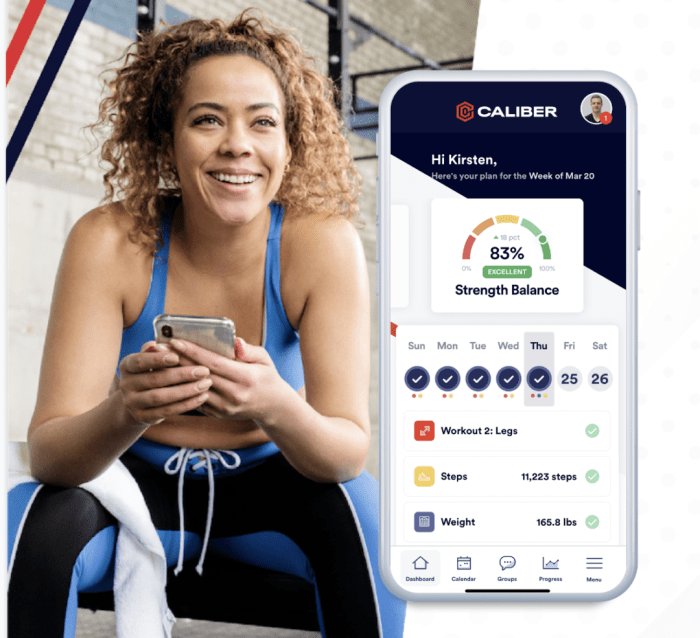
Maintaining a balanced diet is crucial for achieving optimal progress in fitness goals. Fitness apps can play a significant role in helping users track their nutrition intake and make informed decisions for a healthier lifestyle.
Using Apps to Track Macro and Micronutrients
Fitness apps offer features that allow users to input their meals and snacks, tracking the macro and micronutrients consumed throughout the day. By monitoring their intake of proteins, carbohydrates, fats, vitamins, and minerals, users can ensure they are meeting their nutritional needs for a balanced diet.
- Utilize the food diary feature in fitness apps to log your meals and snacks accurately.
- Set personalized goals for macro and micronutrient intake based on your fitness and health objectives.
- Use the barcode scanner option to easily input nutritional information from packaged foods.
Impact of a Balanced Diet on Fitness Outcomes
Maintaining a balanced diet not only supports overall health but also has a direct impact on fitness outcomes and progress tracking. When users fuel their bodies with the right nutrients, they can enhance their performance, improve recovery, and achieve better results in their fitness journey.
- A balanced diet provides the necessary energy for workouts and helps build and repair muscles effectively.
- Consuming a variety of nutrients improves immune function, reducing the risk of illness or injury that could hinder progress.
- Tracking macronutrients like protein, carbohydrates, and fats can optimize muscle growth and fat loss goals.
Regular Exercise Tracking for Optimal Results: Best Physical Fitness Apps For Tracking Progress
Regular exercise tracking through fitness apps offers numerous benefits for individuals looking to achieve optimal results in their fitness journey. By consistently monitoring and recording exercise routines, individuals can effectively track their progress, set achievable goals, and stay motivated to continue their fitness regimen.
Benefits of Regular Exercise Tracking
- Allows for accurate monitoring of workout frequency, duration, and intensity levels.
- Helps in identifying trends and patterns in exercise performance over time.
- Enables individuals to make informed adjustments to their workout routines for better results.
- Provides a sense of accountability and motivation to stay consistent with exercise habits.
Consistency Leads to Improved Results
Regular exercise tracking plays a crucial role in enhancing physical fitness results by promoting consistency in workout routines. When individuals establish a habit of tracking their exercise activities, they are more likely to adhere to a structured fitness plan and avoid skipping workouts. Consistency leads to gradual improvements in strength, endurance, and overall fitness levels, ultimately resulting in better health outcomes.
Setting Goals and Tracking Progress for Motivation
Setting specific, measurable goals and tracking progress through fitness apps can significantly boost motivation for regular exercise. By having clear objectives in mind and monitoring incremental progress towards those goals, individuals can stay motivated and focused on achieving their desired fitness outcomes. The visual representation of progress, such as tracking steps taken, calories burned, or workout milestones reached, serves as a powerful motivator to maintain consistency in exercise routines.
Mental Health Support in Fitness Apps
When it comes to fitness apps, mental health support is becoming an increasingly important aspect alongside physical fitness. These apps are incorporating features that focus on mindfulness, relaxation, and overall mental well-being to promote holistic wellness.
Mindfulness and Relaxation Features
Fitness apps are now integrating mindfulness and relaxation features to help users combat stress, anxiety, and improve their mental health. These features often include guided meditation sessions, deep breathing exercises, and calming music playlists to promote relaxation and reduce mental strain.
- Guided Meditation Sessions: Many fitness apps offer guided meditation sessions to help users relax, focus their minds, and reduce stress levels. These sessions can vary in length and focus, catering to different user preferences.
- Deep Breathing Exercises: Breathing exercises are a common feature in fitness apps that help users regulate their breathing patterns, reduce anxiety, and promote relaxation. These exercises are simple yet effective in calming the mind and body.
- Calming Music Playlists: Some fitness apps provide calming music playlists that users can listen to during workouts or whenever they need to unwind. Music has a powerful impact on mood and can help alleviate stress and improve mental well-being.
Holistic Wellness Approach with Fitness Tracking
In today’s fast-paced world, achieving overall wellness involves more than just physical fitness. It is essential to consider mental, physical, and emotional well-being to lead a balanced and healthy lifestyle. This holistic approach focuses on nurturing all aspects of wellness to achieve optimal health and happiness.
Integration of Mental, Physical, and Emotional Well-being
- Physical Fitness: Regular exercise routines through fitness apps help improve physical strength, flexibility, and cardiovascular health.
- Mental Wellness: Incorporating mindfulness practices, meditation, and stress-relief techniques can enhance mental clarity and emotional resilience.
- Emotional Well-being: Building healthy relationships, practicing gratitude, and engaging in self-care activities contribute to emotional stability and overall well-being.
Role of Fitness Apps in Holistic Wellness Lifestyle
Fitness apps play a crucial role in fostering a holistic wellness lifestyle by providing tools and resources to track progress across various dimensions of wellness. These apps offer features such as workout plans, nutrition tracking, mindfulness exercises, and sleep monitoring to help users maintain a balanced approach to health and wellness.
Tips for Using Fitness Apps to Track Progress
- Set Specific Goals: Define clear and achievable goals for physical fitness, mental wellness, and emotional well-being to track progress effectively.
- Utilize Tracking Features: Make use of built-in trackers for workouts, nutrition intake, mood monitoring, and sleep patterns to assess overall wellness progress.
- Stay Consistent: Establish a routine for using fitness apps regularly to monitor changes and make adjustments to improve overall wellness.
- Seek Support: Connect with online communities, fitness groups, or wellness coaches through fitness apps to gain motivation, accountability, and guidance on your holistic wellness journey.
Managing Chronic Diseases with Fitness Apps
Regular use of fitness apps can greatly assist individuals in managing chronic diseases by providing a platform for progress tracking and monitoring health metrics. These apps offer a convenient way for users to keep track of their physical activity, nutrition, and overall wellness, allowing for better management of chronic conditions.
The Benefits of Monitoring Health Metrics for Chronic Disease Management, Best physical fitness apps for tracking progress
- Fitness apps enable individuals to track their daily activity levels, ensuring they meet their recommended exercise goals for managing chronic diseases like diabetes or heart conditions.
- Monitoring nutrition through these apps can help individuals make healthier food choices, which is crucial for managing conditions like hypertension or obesity.
- Regular tracking of health metrics such as blood pressure, blood sugar levels, and heart rate can provide valuable data for healthcare providers to adjust treatment plans accordingly.
- By keeping a close eye on progress and trends over time, individuals with chronic diseases can proactively manage their conditions and prevent potential complications.
Success Stories in Chronic Disease Management with Fitness Apps
Using fitness apps has shown significant impact on individuals managing chronic diseases. For example, a diabetic patient who diligently tracked their daily food intake and exercise through a fitness app saw a notable improvement in their blood sugar levels over time. Similarly, a person with hypertension successfully lowered their blood pressure by consistently monitoring their physical activity and stress levels with the help of a fitness app. These success stories highlight the effectiveness of fitness apps in aiding individuals with chronic conditions to take control of their health and well-being.
Immunity Boosters and Fitness Progress
Regular exercise and a healthy lifestyle are crucial in boosting immunity and overall well-being. Fitness apps play a significant role in educating users on immunity-boosting exercises and habits, helping them understand the correlation between physical fitness progress and immune system strength. By leveraging fitness apps, individuals can enhance their immunity through consistent tracking and routines, ultimately leading to a stronger defense against illnesses.
Benefits of Immunity-Boosting Exercises
- Engaging in regular physical activity can help improve circulation, reduce inflammation, and strengthen the immune system.
- Specific exercises, such as yoga and meditation, have been shown to reduce stress levels and boost immunity by promoting relaxation and mental well-being.
- Cardiovascular workouts can enhance heart health, which is essential for overall immunity and disease prevention.
Correlation Between Fitness Progress and Immune System Strength
- As individuals progress in their fitness journey, they often experience improvements in their immune response due to reduced inflammation and enhanced circulation.
- Regular exercise can help flush bacteria out of the lungs and airways, reducing the risk of respiratory infections.
- Strengthening muscles through resistance training can also support immune function by promoting overall health and vitality.
Leveraging Fitness Apps for Immunity Enhancement
- Set reminders and create personalized workout routines that focus on immune-boosting exercises, such as strength training, cardio, and flexibility exercises.
- Track your progress and monitor key metrics related to immunity, such as heart rate variability, sleep quality, and stress levels, to optimize your fitness routine for immune system support.
- Utilize nutrition tracking features in fitness apps to ensure you are consuming a balanced diet rich in immune-boosting nutrients, vitamins, and minerals.
FAQ Corner
How do fitness apps help in tracking progress?
Fitness apps track workout data, set goals, monitor achievements, and provide insights to help users stay on course with their fitness journey.
Can fitness apps help with mental wellness?
Yes, many fitness apps offer features like meditation guides, stress-relief exercises, and motivational messages to support mental well-being alongside physical fitness goals.
Do fitness apps provide nutritional guidance?
Some fitness apps include features to track food intake, offer meal plans, and suggest nutritional tips to help users maintain a balanced diet along with their workout routines.