Introduction to Integrating Regular Exercise into Daily Life
Regular exercise is crucial for maintaining good health and overall well-being. Incorporating physical activity into your daily routine can have numerous benefits, both physically and mentally. Let’s explore why integrating regular exercise into daily life is essential for a healthy lifestyle.
Importance of Incorporating Exercise Daily
Regular exercise helps improve cardiovascular health, strengthen muscles, and maintain a healthy weight. It also plays a significant role in reducing the risk of chronic diseases such as heart disease, diabetes, and obesity. By making exercise a daily habit, you can boost your immune system, increase energy levels, and enhance your mood.
Benefits of Regular Physical Activity
- Improves cardiovascular health and reduces the risk of heart disease
- Helps maintain a healthy weight and boost metabolism
- Strengthens muscles and improves flexibility
- Enhances mental well-being by reducing stress and anxiety
- Increases overall energy levels and promotes better sleep
How Exercise Contributes to Overall Well-being
Regular exercise not only improves physical health but also has a positive impact on mental health. Physical activity releases endorphins, also known as “feel-good” hormones, which can help reduce feelings of depression and anxiety. Additionally, exercise can improve cognitive function, memory, and overall brain health. By integrating regular exercise into your daily life, you can experience a holistic improvement in your well-being.
Tips for Making Exercise a Daily Habit
Regular exercise is essential for overall health and well-being, but making it a daily habit can be challenging. Here are some tips to help you integrate exercise into your daily routine:
Setting Realistic Fitness Goals
- Start small: Set achievable goals that fit into your current lifestyle. Gradually increase the intensity and duration as you progress.
- Be specific: Define clear and measurable goals, such as running for 30 minutes three times a week or doing strength training twice a week.
- Track your progress: Keep a journal or use fitness apps to monitor your workouts and see how far you’ve come.
Different Types of Exercises for Various Fitness Levels
- Cardiovascular exercises: Walking, jogging, cycling, swimming, or dancing are great options for improving cardiovascular health.
- Strength training: Bodyweight exercises, weightlifting, or resistance band workouts can help build muscle and increase strength.
- Flexibility exercises: Yoga, Pilates, or stretching routines can improve flexibility and reduce the risk of injury.
Overcoming Common Barriers to Regular Exercise
- Schedule it: Treat exercise like an important appointment and block out time for it in your daily calendar.
- Find a workout buddy: Exercising with a friend or joining group classes can provide motivation and accountability.
- Make it enjoyable: Choose activities you enjoy and mix up your routine to prevent boredom.
Mental Wellness and Exercise
Regular exercise is not only beneficial for physical health but also plays a crucial role in improving mental well-being. Physical activity has been linked to various mental health benefits, including reducing stress and anxiety levels, improving mood, and enhancing cognitive function.
Reducing Stress and Anxiety
Exercise has been shown to be an effective way to reduce stress and anxiety levels. Physical activity helps to lower the body’s stress hormones, such as cortisol, while releasing endorphins, also known as the body’s natural mood elevators. Engaging in regular exercise can provide a much-needed break from the daily stressors of life and promote a sense of relaxation and calmness.
Improving Mood and Cognitive Function, How to integrate regular exercise into daily life
Regular exercise can have a positive impact on mood by increasing the production of neurotransmitters like serotonin and dopamine, which are known to regulate mood and emotions. Moreover, physical activity stimulates the growth of new brain cells and improves overall cognitive function, including memory, focus, and decision-making skills. By incorporating exercise into your daily routine, you can experience enhanced mental clarity and a more positive outlook on life.
Physical Fitness and Exercise
Regular exercise plays a crucial role in improving physical health and overall well-being. By incorporating different types of exercises into your daily routine, you can enhance cardiovascular health, build strength, and improve flexibility. Consistent physical activity also helps in preventing chronic diseases and maintaining a healthy lifestyle.
Cardiovascular Health
Regular aerobic exercises such as running, swimming, cycling, or dancing can significantly improve cardiovascular health. These activities help strengthen the heart muscle, improve blood circulation, and enhance lung function.
Strength Training
Incorporating strength training exercises like weightlifting, bodyweight exercises, or resistance band workouts can help build muscle mass, increase bone density, and boost metabolism. These exercises are essential for maintaining overall strength and physical function.
Flexibility
Exercises focused on flexibility, such as yoga, Pilates, or stretching routines, can help improve joint mobility, reduce the risk of injuries, and enhance overall flexibility. Flexibility exercises are crucial for maintaining range of motion and preventing muscle stiffness.
Prevention of Chronic Diseases
Engaging in consistent physical activity can reduce the risk of chronic diseases such as heart disease, diabetes, obesity, and certain types of cancer. Regular exercise helps control weight, lower blood pressure, improve cholesterol levels, and regulate blood sugar levels, all of which contribute to a healthier lifestyle.
Healthy Eating Habits to Complement Exercise
How to integrate regular exercise into daily life – Having a balanced diet is crucial for achieving optimal fitness levels. It provides the necessary nutrients to fuel your body for exercise and aids in muscle recovery and growth.
Nutrition for Pre and Post-Workout Meals
- Pre-Workout: Aim for a meal rich in carbohydrates for energy, moderate in protein for muscle support, and low in fat to prevent digestion issues. Examples include whole grain toast with peanut butter, a banana, and a glass of water.
- Post-Workout: Focus on consuming protein and carbohydrates to aid in muscle recovery and replenish energy stores. Opt for options like a protein shake with fruit, a turkey sandwich on whole grain bread, or a Greek yogurt with berries.
Meal Planning and Healthy Snack Options
- Plan your meals in advance to ensure you have nutritious options available. Include a variety of fruits, vegetables, lean proteins, and whole grains.
- Opt for healthy snacks like nuts, seeds, Greek yogurt, hummus with veggies, or a piece of fruit to curb hunger between meals.
Preventive Care and Exercise: How To Integrate Regular Exercise Into Daily Life
Regular exercise plays a crucial role in preventive healthcare by helping to maintain overall health and well-being. Physical activity not only improves fitness levels but also contributes to boosting immunity and reducing the risk of various chronic diseases. Let’s explore how exercise can be a powerful tool in promoting preventive care.
Role of Physical Activity in Boosting Immunity
Regular exercise has been shown to have a positive impact on the immune system by enhancing the body’s ability to fight off infections and illnesses. Physical activity stimulates the production of antibodies and white blood cells, which are key components of the immune system. By engaging in regular exercise, individuals can strengthen their immune response and reduce the risk of falling ill.
- Cardiovascular exercises like running, swimming, or cycling can help improve cardiovascular health and circulation, which in turn supports the immune system.
- Strength training exercises, such as weightlifting or bodyweight exercises, can boost muscle mass and strength, leading to better overall health and immunity.
- Yoga and mindfulness practices can reduce stress levels and promote relaxation, which can have a positive impact on the immune system.
Exercises Promoting Overall Wellness and Longevity
In addition to boosting immunity, certain exercises can promote overall wellness and longevity by targeting specific aspects of physical and mental health. It is essential to incorporate a variety of exercises into your routine to reap the full benefits of regular physical activity.
- Aerobic exercises like brisk walking, dancing, or aerobics can improve cardiovascular fitness and stamina, contributing to overall well-being.
- Flexibility exercises like yoga or stretching routines can enhance mobility, joint health, and posture, promoting longevity and reducing the risk of injuries.
- Balance exercises, such as tai chi or stability training, can help prevent falls and maintain stability as you age, ensuring a higher quality of life in the long run.
Balancing Exercise with Daily Routine
Regular exercise is essential for overall health and well-being, but finding time to fit it into a busy schedule can be challenging. Here are some strategies to help you integrate exercise seamlessly into your daily routine.
Short Bursts of Activity
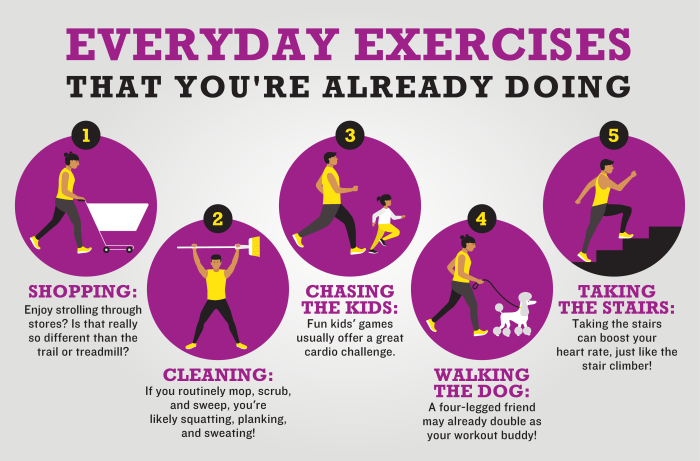
One effective way to balance exercise with a busy schedule is by incorporating short bursts of activity throughout the day. This can include taking the stairs instead of the elevator, going for a brisk walk during your lunch break, or doing a quick workout before bed. These short bursts of activity add up and contribute to your overall physical fitness.
Staying Motivated and Consistent
Staying motivated and consistent with physical activity is crucial for making exercise a daily habit. One tip is to set specific, achievable goals for yourself and track your progress. This could be as simple as aiming to take a 30-minute walk every day or completing a certain number of push-ups each week. Additionally, finding an exercise routine that you enjoy can make it easier to stick with it in the long run.
Holistic Wellness Approach to Exercise
Regular exercise is just one component of a holistic approach to wellness. When we talk about holistic wellness, we are referring to the interconnectedness of our physical, mental, and emotional well-being. Exercise plays a crucial role in maintaining this balance and promoting overall health. It is not just about physical fitness but also about mental clarity, emotional stability, and spiritual well-being.
Connection between Mental, Physical, and Emotional Well-being
Exercise has been shown to have a profound impact on mental health by reducing stress, anxiety, and depression. Physical activity releases endorphins, also known as the “feel-good” hormones, which can boost mood and improve overall mental well-being. Additionally, engaging in regular exercise can enhance cognitive function, memory, and creativity. When we exercise, we are not just working out our bodies but also nurturing our minds and emotions.
Importance of Self-care and Rest
Incorporating self-care practices and allowing for proper rest are essential components of a holistic wellness approach to exercise. Rest and recovery are crucial for muscle repair and growth, as well as preventing burnout and overtraining. Self-care activities such as meditation, mindfulness, or relaxation techniques complement exercise by promoting stress relief and mental clarity. Balancing exercise with rest and self-care is key to maintaining a sustainable fitness routine and overall well-being.
Immunity Boosters and Exercise
Regular exercise plays a crucial role in enhancing the immune system, making the body more resilient to illnesses. By engaging in physical activity, individuals can strengthen their immune response and reduce the risk of infections and diseases.
Examples of Immune-Boosting Exercises and Activities
- Cardiovascular exercises like running, cycling, or swimming help improve circulation and strengthen the heart, boosting overall immunity.
- Strength training exercises such as weightlifting or bodyweight exercises can enhance muscle mass and metabolic health, contributing to a stronger immune system.
- Yoga and Pilates promote relaxation, reduce stress levels, and support immune function through mind-body connection.
- Outdoor activities like hiking or gardening expose individuals to fresh air and sunlight, essential for vitamin D production and immune function.
Relationship Between Physical Fitness and Resilience to Illnesses
Regular exercise not only improves physical fitness but also enhances the body’s ability to fight off infections. Physical activity stimulates the production of white blood cells, antibodies, and other immune system components, making the body better equipped to defend against pathogens. Additionally, exercise helps reduce inflammation, regulate immune responses, and improve overall health, all of which contribute to a stronger immune system.
Preventing Chronic Diseases through Exercise
Regular physical activity plays a crucial role in reducing the risk of chronic conditions and improving overall health. By incorporating exercise into your daily routine, you can significantly lower the chances of developing diseases such as diabetes, heart disease, and obesity. The long-term benefits of maintaining an active lifestyle extend beyond physical health, positively impacting mental well-being and overall quality of life.
Specific Exercises for Disease Management
Regular aerobic exercises like walking, jogging, or cycling can help manage and prevent conditions like diabetes by improving insulin sensitivity and blood sugar control. Strength training exercises, such as weightlifting or bodyweight exercises, are beneficial for heart health as they strengthen the heart muscle and improve circulation. Additionally, engaging in regular physical activity can help combat obesity by burning calories and boosting metabolism.
Long-Term Benefits of an Active Lifestyle
Consistent exercise not only helps prevent chronic diseases but also contributes to overall health and well-being. By maintaining an active lifestyle, you can improve cardiovascular health, strengthen muscles and bones, and enhance flexibility and balance. Regular physical activity also helps reduce stress, improve sleep quality, and boost energy levels, leading to a healthier and more fulfilling life.
Key Questions Answered
How can I find time for exercise in a busy schedule?
Try incorporating short bursts of activity throughout the day or waking up earlier to fit in a workout before your day gets busy.
What are some immune-boosting exercises?
Activities like brisk walking, swimming, and yoga can help boost your immune system.
Is it necessary to combine exercise with a balanced diet?
Yes, a balanced diet complements exercise by providing the necessary nutrients for optimal fitness and recovery.
How can I stay motivated to exercise regularly?
Set achievable goals, vary your routine, and find a workout buddy to stay motivated and accountable.