Mental Wellness
Maintaining mental wellness is crucial for effectively managing stress. When our minds are in a healthy state, we are better equipped to handle the challenges and pressures that come our way. Here are some activities that promote mental wellness and help reduce stress levels:
Examples of Mental Wellness Activities
- Practicing mindfulness and meditation to increase self-awareness and reduce anxiety.
- Engaging in regular physical exercise to release endorphins and improve mood.
- Connecting with loved ones and building a support system to share experiences and emotions.
- Setting boundaries and taking breaks to prevent burnout and overwhelm.
- Engaging in hobbies and activities that bring joy and relaxation.
The connection between mental wellness and stress levels is profound. When we prioritize our mental health, we are more resilient in the face of stressors. By practicing self-care and nurturing our emotional well-being, we can better cope with the demands of daily life and maintain a sense of balance and calm.
Physical Fitness: Mental Health Strategies For Managing Stress
Regular physical activity plays a crucial role in managing stress levels and promoting overall well-being. Engaging in various types of exercises can help reduce stress, improve mood, and boost mental health.
Types of Physical Exercises for Stress Relief
- Aerobic Exercises: Activities like running, cycling, or swimming can help release endorphins, also known as “feel-good” hormones, which can reduce stress and anxiety.
- Strength Training: Lifting weights or using resistance bands not only improves physical strength but also enhances mental resilience and reduces stress levels.
- Yoga and Pilates: These mind-body exercises focus on breathing techniques, mindfulness, and stretching, which can help calm the mind and reduce stress.
- Dance Classes: Joining dance sessions or Zumba classes can be a fun way to relieve stress, boost mood, and increase energy levels.
Relationship Between Physical Fitness and Mental Health
Regular physical activity is linked to improved mental health through various mechanisms. Exercise helps reduce levels of stress hormones, such as cortisol, and triggers the release of endorphins, which act as natural mood elevators. Additionally, staying physically active can enhance cognitive function, improve sleep quality, and increase self-esteem, all of which contribute to better stress management and overall mental well-being.
Healthy Eating
Eating a balanced and nutritious diet plays a crucial role in managing stress and promoting overall mental well-being. The foods we consume can have a direct impact on our mood, energy levels, and ability to cope with stress.
Stress-Reducing Foods and Their Benefits
- Fatty Fish: Rich in omega-3 fatty acids, fatty fish like salmon and mackerel can help reduce inflammation and lower levels of cortisol, a stress hormone.
- Dark Chocolate: Contains antioxidants that can improve mood and reduce stress by lowering levels of cortisol in the body.
- Leafy Greens: Vegetables like spinach, kale, and Swiss chard are high in magnesium, which can help regulate cortisol levels and promote feelings of calmness.
- Berries: Blueberries, strawberries, and raspberries are packed with antioxidants that combat stress and inflammation in the body.
Nutrition Impact on Mental Health and Stress Levels
Nutrition plays a vital role in supporting brain function and mental health. A diet rich in fruits, vegetables, whole grains, lean proteins, and healthy fats can provide the necessary nutrients to regulate mood and reduce stress. Conversely, consuming excessive amounts of processed foods, sugary snacks, and caffeine can negatively impact mental health and increase feelings of stress and anxiety.
It is essential to prioritize a balanced diet that includes a variety of nutrient-dense foods to support mental well-being and effectively manage stress levels.
Preventive Care
Mental health strategies for managing stress – Preventive care plays a crucial role in managing stress effectively by addressing potential triggers before they escalate. By focusing on proactive measures, individuals can better equip themselves to handle stressful situations and maintain overall well-being.
Healthy Lifestyle Choices
- Engage in regular physical activity to reduce tension and improve mood.
- Practice mindfulness and relaxation techniques, such as yoga or meditation, to calm the mind.
- Ensure an adequate amount of sleep each night to promote mental clarity and emotional resilience.
- Establish healthy boundaries in relationships to minimize conflicts and sources of stress.
Nutritious Diet
- Consume a balanced diet rich in fruits, vegetables, whole grains, and lean proteins to support optimal brain function.
- Avoid excessive intake of caffeine, sugar, and processed foods, which can exacerbate stress levels.
- Stay hydrated throughout the day to maintain energy levels and cognitive performance.
Regular Health Screenings
Regular check-ups and screenings are essential for detecting any potential health issues early on, which can contribute to stress management by providing peace of mind and timely intervention.
Work-Life Balance
- Set realistic goals and priorities to avoid feeling overwhelmed by work or personal responsibilities.
- Take breaks throughout the day to recharge and prevent burnout.
- Establish boundaries between work and personal life to maintain a healthy balance and reduce stress.
Balanced Diet
Eating a balanced diet is crucial for managing stress levels and promoting overall mental wellness. A well-rounded meal plan can provide the necessary nutrients to support brain function and regulate mood.
Components of a Balanced Diet for Stress Management
- Protein: Incorporate lean sources of protein such as chicken, fish, tofu, or legumes to support neurotransmitter production.
- Complex carbohydrates: Opt for whole grains like brown rice, quinoa, and oats to stabilize blood sugar levels and enhance serotonin production.
- Healthy fats: Include sources of omega-3 fatty acids like salmon, walnuts, and flaxseeds to reduce inflammation and support cognitive function.
- Fruits and vegetables: Load up on a variety of colorful fruits and veggies to provide antioxidants and essential vitamins and minerals.
- Hydration: Stay well-hydrated with water and herbal teas to support digestion and cognitive function.
Examples of a Well-Rounded Meal Plan to Reduce Stress
Breakfast: Overnight oats with Greek yogurt, berries, and almonds
Lunch: Quinoa salad with mixed greens, grilled chicken, avocado, and a lemon vinaigrette
Dinner: Baked salmon with roasted sweet potatoes and steamed broccoli
Snacks: Carrot sticks with hummus, apple slices with almond butter
Impact of a Balanced Diet on Mental Health and Stress Levels
A balanced diet rich in nutrients can help regulate neurotransmitters, reduce inflammation, and support overall brain health. By providing the necessary building blocks for proper brain function, a balanced diet can improve mood, reduce anxiety, and enhance resilience to stress.
Regular Exercise
Regular exercise is a crucial component of a stress management routine. Physical activity has been shown to have numerous benefits for mental health and can significantly reduce stress levels. Incorporating regular exercise into your daily routine can help you cope with stress more effectively and improve your overall well-being.
Different Exercise Routines for Stress Relief, Mental health strategies for managing stress
- Cardiovascular exercises like running, swimming, or cycling can help release endorphins, also known as “feel-good” hormones, which can improve mood and reduce stress.
- Yoga and Pilates focus on breathing techniques and mindfulness, which can help calm the mind and reduce stress levels.
- Strength training exercises can boost confidence and self-esteem, leading to better stress management.
Benefits of Regular Exercise on Mental Health
Regular exercise not only helps in stress reduction but also has long-term benefits for mental health. Some of the benefits include:
- Improved mood and overall sense of well-being
- Reduced symptoms of anxiety and depression
- Enhanced cognitive function and memory
- Better sleep quality
- Increased self-confidence and self-esteem
Holistic Wellness
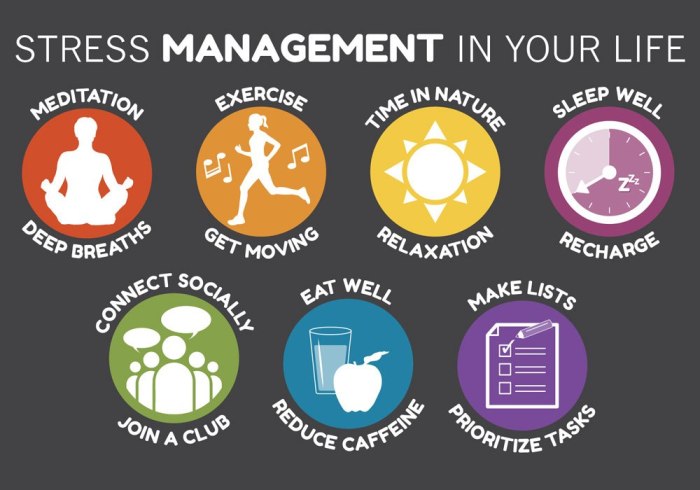
Holistic wellness approaches focus on treating the whole person, including mind, body, and spirit, to achieve overall well-being. This integrated approach can be highly effective in managing stress by addressing the root causes and promoting balance in all aspects of life.
Examples of Holistic Practices
- Yoga: Yoga combines physical postures, breathing exercises, and meditation to reduce stress, increase flexibility, and improve mental clarity.
- Meditation: Meditation involves focusing the mind and eliminating distractions, leading to a state of deep relaxation and calmness, which can help reduce stress levels.
- Acupuncture: Acupuncture is a traditional Chinese medicine practice that involves inserting thin needles into specific points on the body to restore energy flow and promote relaxation.
- Aromatherapy: Aromatherapy uses essential oils from plants to promote physical and psychological well-being, helping to reduce stress and anxiety.
Integration of Holistic Wellness
Holistic wellness can be seamlessly integrated into overall mental health strategies by incorporating practices such as yoga, meditation, acupuncture, and aromatherapy into daily routines. By combining these holistic approaches with mental wellness, physical fitness, healthy eating, preventive care, and regular exercise, individuals can create a comprehensive plan to manage stress effectively and improve their overall well-being.
Chronic Diseases
Chronic diseases are long-term health conditions that require ongoing management and treatment. These conditions can include heart disease, diabetes, arthritis, and asthma, among others.
Relationship between Chronic Diseases and Stress
Chronic diseases and stress are closely linked, as stress can exacerbate symptoms and complications of chronic conditions. The constant worry and anxiety associated with managing a chronic illness can lead to increased inflammation in the body, weakened immune response, and overall deterioration of health.
Managing Chronic Conditions to Reduce Stress
Effective management of chronic diseases can help reduce stress levels and improve overall well-being. This can involve following a treatment plan prescribed by healthcare providers, making lifestyle changes, and seeking support from loved ones or mental health professionals.
- Regular medical check-ups and adhering to prescribed medications can help individuals feel more in control of their health, reducing anxiety and stress.
- Engaging in relaxation techniques such as deep breathing, meditation, or yoga can help manage stress levels and improve mental health.
- Physical activity, tailored to individual abilities, can boost mood, reduce stress, and improve overall quality of life.
- Seeking support from support groups or therapists can provide emotional outlets and coping strategies for dealing with the challenges of living with a chronic illness.
Immunity Boosters
Boosting immunity can play a crucial role in managing stress and promoting overall well-being. A strong immune system helps the body combat the effects of stress and reduces the risk of illnesses that can further exacerbate stress levels.
Immune-Boosting Foods and Supplements
Consuming immune-boosting foods and supplements can aid in reducing stress levels and supporting overall health. Some examples of immune-boosting foods include:
- Citrus fruits like oranges, lemons, and grapefruits rich in Vitamin C
- Leafy greens such as spinach and kale packed with antioxidants
- Yogurt and other probiotic-rich foods for gut health
- Garlic, ginger, and turmeric known for their anti-inflammatory properties
Additionally, certain supplements like Vitamin D, Zinc, and Omega-3 fatty acids can also help boost immunity and reduce stress levels.
Impact on Mental Health and Stress Levels
A strong immune system can positively impact mental health by reducing the risk of infections and illnesses that can contribute to stress. When the body is better equipped to fight off pathogens, individuals may experience lower stress levels and improved overall well-being. By incorporating immune-boosting foods and supplements into their diet, individuals can support their immune system and better manage stress in their daily lives.
Essential FAQs
How often should I practice these mental health strategies?
It’s recommended to incorporate these strategies into your daily routine for maximum effectiveness. Consistency is key in managing stress.
Are there any specific foods that can help reduce stress levels?
Foods rich in omega-3 fatty acids, such as salmon and walnuts, can help reduce stress. Additionally, dark chocolate and green tea are known to have calming effects.
Can regular exercise alone help in managing stress?
Regular exercise plays a significant role in stress management by releasing endorphins and improving overall well-being. However, combining it with other strategies can have a more comprehensive impact.