Mental Wellness
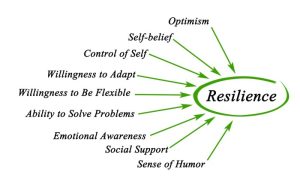
Maintaining mental wellness is crucial in managing anxiety during uncertain times. When facing challenges and uncertainties, taking care of our mental health can help us navigate through difficult situations with resilience and strength.
Practices for Alleviating Anxiety
- Practice deep breathing exercises: Deep breathing can help calm the mind and body, reducing feelings of anxiety.
- Engage in regular physical activity: Exercise releases endorphins that can improve mood and reduce stress levels.
- Connect with loved ones: Talking to friends and family members can provide emotional support and a sense of connection.
- Engage in hobbies or activities you enjoy: Doing things you love can distract your mind from anxious thoughts and boost your mood.
Impact of Mindfulness and Meditation
Mindfulness and meditation practices have been shown to have a positive impact on mental wellness during challenging periods. By focusing on the present moment and cultivating a sense of inner peace, mindfulness can help reduce anxiety and improve overall well-being. Regular meditation practice can also enhance self-awareness, increase resilience, and promote a sense of calmness in the face of uncertainty.
Physical Fitness: How To Manage Anxiety During Uncertain Times
Physical fitness plays a crucial role in managing anxiety levels and improving overall mental health, especially during uncertain times. Engaging in regular physical activity can help reduce stress, anxiety, and depression by releasing endorphins, the body’s natural mood elevators.
Types of Physical Exercises for Managing Anxiety
- Aerobic exercises: Running, walking, cycling, or swimming can help increase heart rate and improve overall cardiovascular health, reducing anxiety symptoms.
- Yoga: Practicing yoga can help calm the mind, reduce stress, and improve flexibility and strength, leading to better mental well-being.
- Strength training: Lifting weights or bodyweight exercises can boost confidence, improve self-esteem, and provide a sense of accomplishment, which can alleviate anxiety.
- Dance or Zumba: Engaging in dance-based workouts can be a fun way to release tension, enhance mood, and promote relaxation.
Connection Between Physical Activity and Improved Mental Health
Regular physical activity has been shown to have a positive impact on mental health during uncertain times. Exercise can help distract from worries, improve sleep quality, increase energy levels, and enhance cognitive function. By incorporating physical fitness into daily routines, individuals can better cope with stress, anxiety, and uncertainty, ultimately leading to improved mental well-being.
Healthy Eating
Eating a balanced and nutritious diet plays a crucial role in supporting mental well-being and managing stress and anxiety effectively. Our food choices can impact our mood, energy levels, and overall mental health.
Foods to Reduce Anxiety and Promote Calm
- Fatty fish like salmon, rich in omega-3 fatty acids, can help reduce anxiety and improve mood.
- Leafy green vegetables such as spinach and kale are high in magnesium, which is known to help reduce stress and promote relaxation.
- Complex carbohydrates like whole grains can increase serotonin levels in the brain, helping to elevate mood and decrease anxiety.
- Yogurt and other probiotic-rich foods support gut health, which is linked to improved mental health and reduced anxiety.
Importance of a Balanced Diet, How to manage anxiety during uncertain times
Maintaining a balanced diet that includes a variety of fruits, vegetables, whole grains, lean proteins, and healthy fats is essential for managing stress and anxiety. Nutrient-dense foods provide the necessary vitamins and minerals to support brain function and regulate mood. Avoiding excessive consumption of processed foods, sugary snacks, and caffeine can also help in stabilizing energy levels and reducing feelings of anxiety.
Preventive Care
Preventive care plays a crucial role in addressing anxiety issues proactively by focusing on maintaining overall health and well-being to prevent the onset or exacerbation of anxiety symptoms. By incorporating preventive care routines into daily life during uncertain times, individuals can build resilience and better cope with stressors. Regular check-ups and screenings are essential components of preventive care that can contribute significantly to overall mental wellness and anxiety management.
Incorporating Preventive Care Routines
- Establish a consistent sleep schedule to promote restful sleep, which is essential for mental health.
- Engage in regular physical activity to reduce stress and anxiety levels.
- Practice mindfulness techniques such as meditation or deep breathing exercises to promote relaxation.
- Maintain a balanced diet rich in nutrients to support brain function and overall well-being.
- Stay connected with loved ones for social support and emotional well-being.
Importance of Regular Check-ups and Screenings
Regular check-ups with healthcare professionals can help monitor physical health and identify any underlying issues that may contribute to anxiety symptoms. Screenings for conditions such as thyroid disorders, vitamin deficiencies, or hormonal imbalances can provide valuable insights into potential triggers for anxiety. By addressing these issues early on, individuals can prevent the escalation of anxiety symptoms and improve their overall mental wellness.
Balanced Diet
Maintaining a balanced diet is crucial for managing anxiety and promoting overall well-being. The food we eat can have a significant impact on our mental health, so it’s important to focus on nourishing our bodies with the right nutrients.
Components of a Balanced Diet
- Proteins: Incorporate lean proteins such as chicken, fish, tofu, and legumes to support brain function and stabilize mood.
- Fruits and Vegetables: Aim to include a variety of colorful fruits and vegetables in your meals to provide essential vitamins, minerals, and antioxidants.
- Whole Grains: Opt for whole grains like brown rice, quinoa, and whole wheat bread to maintain steady energy levels and improve digestion.
- Healthy Fats: Include sources of healthy fats such as avocados, nuts, seeds, and olive oil to support brain health and reduce inflammation.
- Dairy or Dairy Alternatives: Choose low-fat dairy or fortified alternatives like almond milk for calcium and vitamin D.
Creating Meal Plans for Mental Health
- Plan Balanced Meals: Ensure each meal includes a combination of protein, carbohydrates, and healthy fats to support brain function and mood regulation.
- Include Omega-3 Fatty Acids: Incorporate fatty fish like salmon, chia seeds, and walnuts to boost brain health and reduce anxiety symptoms.
- Avoid Excessive Caffeine and Sugar: Limit intake of caffeine and sugary foods, as they can contribute to anxiety and mood swings.
- Stay Hydrated: Drink plenty of water throughout the day to maintain hydration levels and support overall well-being.
Impact of Nutrition on Anxiety Levels
Nutrition plays a crucial role in managing anxiety levels and overall well-being. A balanced diet rich in nutrients can help regulate neurotransmitters in the brain, reduce inflammation, and improve gut health – all of which are linked to mental health. By focusing on whole, nutrient-dense foods and avoiding processed foods high in sugar and unhealthy fats, you can support your mental health and reduce anxiety symptoms.
Regular Exercise
Regular exercise plays a crucial role in managing anxiety and improving overall mental health. Engaging in physical activity releases endorphins, which are known as the “feel-good” hormones that can help reduce stress and anxiety levels. Additionally, exercise helps increase blood flow to the brain, promoting clearer thinking and a more positive mindset.
Benefits of Regular Exercise for Anxiety Reduction
- Improves mood and reduces feelings of anxiety and depression
- Enhances sleep quality, which is essential for mental wellness
- Boosts self-esteem and confidence levels
- Provides a healthy distraction from negative thoughts and worries
Forms of Exercise Effective in Managing Anxiety
- Aerobic exercises like running, swimming, or cycling
- Yoga and Pilates for relaxation and stress relief
- Strength training to build physical and mental resilience
- Mindful activities such as tai chi or qigong
Tips for Creating a Consistent Exercise Routine
- Schedule exercise sessions at the same time every day to establish a routine
- Set realistic goals and gradually increase intensity to avoid burnout
- Find activities that you enjoy to make exercise more sustainable
- Stay accountable by exercising with a friend or joining a virtual fitness class
Mental Health
How to manage anxiety during uncertain times – Understanding mental health is crucial in managing anxiety during uncertain times. Mental health refers to our emotional, psychological, and social well-being. It affects how we think, feel, and act, influencing how we handle stress, relate to others, and make choices.
Seeking Professional Help
It is essential to seek professional help if you are experiencing persistent anxiety, fear, or worry that is impacting your daily life. Mental health professionals, such as therapists, counselors, or psychiatrists, can provide guidance, support, and treatments tailored to your specific needs.
Coping Strategies and Resources
- Practice mindfulness and relaxation techniques, such as deep breathing exercises or meditation, to calm your mind and reduce stress.
- Stay connected with loved ones and friends for emotional support and social interaction, even if it’s through virtual means.
- Engage in activities that bring you joy and relaxation, such as hobbies, exercise, or creative outlets.
- Educate yourself about mental health and anxiety management through reputable sources and online resources.
- Consider joining support groups or therapy sessions to connect with others facing similar challenges and share coping strategies.
Holistic Wellness
Holistic wellness focuses on integrating various aspects of well-being, including mental, physical, emotional, and spiritual health, to achieve overall balance and harmony. When it comes to managing anxiety during uncertain times, taking a holistic approach can have a significant impact on improving mental well-being.
Integrating Various Wellness Practices
By combining mental wellness strategies, physical fitness routines, healthy eating habits, preventive care measures, and maintaining a balanced diet, individuals can create a comprehensive approach to managing anxiety. Each component plays a vital role in supporting overall well-being and can work together synergistically to alleviate stress and promote mental health.
- Practicing mindfulness and meditation to calm the mind and reduce anxiety levels.
- Incorporating regular exercise into daily routines to release endorphins and improve mood.
- Eating a nutritious and balanced diet rich in vitamins, minerals, and antioxidants to support brain health and reduce inflammation.
- Engaging in activities that promote emotional well-being, such as journaling, art therapy, or spending time in nature.
- Seeking support from mental health professionals or joining support groups to address underlying issues and develop coping strategies.
Chronic Diseases
Chronic diseases can have a significant impact on mental health and anxiety levels. The constant management, treatment, and potential complications associated with chronic illnesses can lead to increased stress, worry, and anxiety for individuals.
Strategies for Managing Anxiety with Chronic Illness
- Seeking Professional Help: It’s important to consult with healthcare providers, therapists, or counselors who specialize in both chronic illness management and mental health. They can provide guidance, support, and coping strategies tailored to your specific needs.
- Practice Relaxation Techniques: Engaging in relaxation techniques such as deep breathing, meditation, or yoga can help reduce anxiety levels and promote a sense of calmness amidst the challenges of managing a chronic illness.
- Build a Support System: Surround yourself with a strong support system of friends, family members, or support groups who understand your condition and can offer emotional support, encouragement, and empathy during difficult times.
- Stay Informed and Empowered: Educate yourself about your chronic illness, treatment options, and self-care practices. Feeling knowledgeable and empowered can help alleviate anxiety and uncertainty surrounding your condition.
- Engage in Stress-Relieving Activities: Participating in activities you enjoy, such as hobbies, exercise, or creative pursuits, can help distract from anxiety-inducing thoughts and promote a sense of well-being.
Resources and Support Systems
- Online Support Groups: Joining online communities or support groups dedicated to individuals facing both chronic diseases and anxiety can provide a sense of belonging, understanding, and shared experiences.
- Counseling Services: Many organizations offer counseling services specifically designed for individuals dealing with chronic illnesses and mental health challenges. These services can provide valuable emotional support and coping strategies.
- Helplines and Hotlines: Utilize helplines and hotlines that specialize in providing mental health support and crisis intervention for individuals struggling with anxiety related to chronic illnesses.
- Educational Workshops: Attend workshops or seminars focused on managing anxiety and stress while living with a chronic illness. These events can offer practical tips, tools, and resources for enhancing mental well-being.
Immunity Boosters
In times of uncertainty, maintaining a strong immune system is crucial for overall health and well-being. Immunity boosters play a key role in supporting mental wellness by reducing the risk of infections and illnesses, which can in turn alleviate anxiety and stress.
Natural Immunity Boosters
- Include foods rich in Vitamin C, such as oranges, strawberries, and bell peppers. Vitamin C helps boost the immune system and reduce the duration of colds.
- Incorporate garlic into your meals, as it has antimicrobial properties that can help fight off infections and support immune function.
- Drink green tea regularly, as it contains antioxidants that can enhance immune responses and protect against oxidative stress.
- Add turmeric to your dishes, as it has anti-inflammatory and antioxidant properties that can strengthen the immune system.
- Include probiotic-rich foods like yogurt and kefir in your diet to promote a healthy gut microbiome, which is essential for immune function.
Question Bank
How can I differentiate between normal anxiety and anxiety disorders?
Normal anxiety is usually temporary and linked to a specific stressor, while anxiety disorders involve excessive worry and interfere with daily life. If you’re unsure, it’s best to consult a mental health professional for an accurate diagnosis.
What role does social support play in managing anxiety?
Social support can be incredibly beneficial in managing anxiety by providing a sense of belonging, reducing feelings of isolation, and offering emotional validation. Surround yourself with a supportive network of friends and family to help cope with anxiety effectively.
Are there specific breathing exercises that can help with anxiety?
Deep breathing exercises like diaphragmatic breathing and box breathing are known to help calm the mind and reduce anxiety levels. Practice these techniques regularly to experience their calming effects.
Can lifestyle changes like reducing caffeine intake impact anxiety levels?
Absolutely. Caffeine is a stimulant that can exacerbate anxiety symptoms. Cutting back on caffeine consumption or switching to decaffeinated options can have a positive impact on managing anxiety.