Mental Wellness
Maintaining mental wellness is crucial when establishing healthy eating habits, especially for beginners. Our mental state greatly influences our food choices and eating behaviors.
Practicing mindfulness can significantly enhance mental wellness and support healthy eating choices. By being more aware of our thoughts, feelings, and sensations in the present moment, we can make better decisions when it comes to food. Mindful eating helps us savor our meals, recognize hunger and fullness cues, and avoid emotional eating.
Impact of Stress on Eating Habits
Stress can have a profound impact on our eating habits, often leading to overeating, cravings for unhealthy foods, and disrupted eating patterns. It’s essential to manage stress effectively to maintain good mental health and make informed food choices.
- Engage in stress-reducing activities such as yoga, meditation, deep breathing exercises, or spending time in nature.
- Practice time management and prioritize tasks to reduce feelings of overwhelm and stress.
- Seek support from friends, family, or a mental health professional to address underlying stressors and develop coping strategies.
- Ensure an adequate amount of sleep each night, as lack of sleep can contribute to increased stress levels and poor food choices.
Physical Fitness
Regular physical activity is an essential component of a healthy lifestyle, complementing the benefits of a nutritious diet. By combining healthy eating habits with exercise, beginners can enhance their overall well-being and achieve optimal health.
Simple Exercises for Beginners
- Brisk walking or jogging: Start with a 30-minute walk or light jog to improve cardiovascular health and boost metabolism.
- Bodyweight exercises: Incorporate squats, lunges, push-ups, and planks for strength training and muscle toning.
- Yoga or Pilates: Engage in these low-impact exercises to improve flexibility, balance, and mental focus.
Benefits of Staying Active
Regular physical activity offers numerous benefits that complement a healthy diet, including:
- Weight management: Exercise helps burn calories and build muscle, supporting weight loss or maintenance.
- Improved mood: Physical activity releases endorphins, reducing stress and anxiety while enhancing overall mood.
- Enhanced energy levels: Regular exercise boosts stamina and vitality, promoting a more active and productive lifestyle.
- Reduced risk of chronic diseases: Staying active lowers the risk of heart disease, diabetes, and other health conditions.
- Better quality of sleep: Regular exercise can improve sleep patterns, leading to a more restful and rejuvenating rest.
Healthy Eating
Best healthy eating habits for beginners – Developing healthy eating habits is crucial for beginners looking to improve their overall well-being. It involves making conscious choices about the foods you consume to ensure your body receives the necessary nutrients for optimal function.
Essential Nutrients
Prioritize incorporating the following essential nutrients into your diet:
- Proteins: Found in sources like lean meats, poultry, fish, dairy, legumes, and nuts.
- Carbohydrates: Opt for whole grains, fruits, vegetables, and legumes for sustained energy levels.
- Fats: Include healthy fats from sources like avocados, nuts, seeds, and olive oil.
- Vitamins and Minerals: Consume a variety of fruits and vegetables to ensure you get a wide range of essential vitamins and minerals.
- Water: Stay hydrated throughout the day by drinking an adequate amount of water.
Meal Planning and Preparation Tips
Effective meal planning and preparation can help you maintain healthy eating habits. Here are some practical tips to support your journey:
- Plan your meals in advance to ensure balanced nutrition and avoid impulsive food choices.
- Include a variety of colorful fruits and vegetables in your meals to benefit from different nutrients.
- Cook in larger batches and portion out meals for easy grab-and-go options during busy days.
- Limit processed foods and opt for whole, unprocessed ingredients whenever possible.
- Experiment with different cooking methods such as grilling, baking, steaming, or sautéing to keep your meals interesting.
Preventive Care
Preventive care plays a crucial role in maintaining good health alongside healthy eating habits. By taking proactive measures to prevent illnesses and diseases, individuals can improve their overall well-being and quality of life.
Common Preventive Care Measures
Implementing the following preventive care measures can help beginners enhance their overall health:
- Regular Exercise: Engaging in physical activity on a consistent basis can boost immunity, improve cardiovascular health, and promote overall well-being.
- Stress Management: Adopting stress-relief techniques such as meditation, yoga, or deep breathing exercises can help reduce the risk of various health issues.
- Proper Hygiene Practices: Practicing good hygiene, such as washing hands regularly, can prevent the spread of infections and illnesses.
- Vaccinations: Ensuring that vaccinations are up to date can protect against preventable diseases and infections.
Importance of Health Check-ups and Screenings
Scheduling regular health check-ups and screenings is essential for preventive care as it allows healthcare providers to detect potential health issues early on. By identifying problems in their initial stages, individuals can receive timely treatment and prevent the progression of diseases.
Balanced Diet
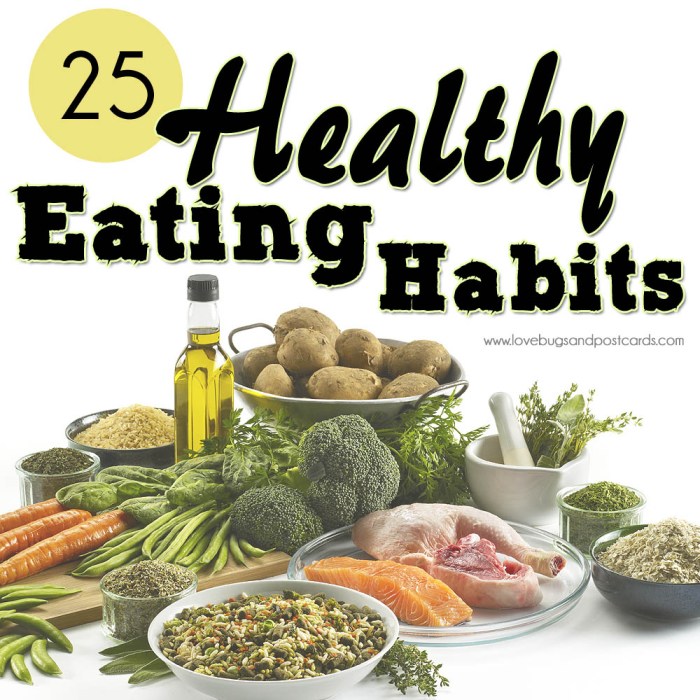
Understanding the concept of a balanced diet is crucial for beginners as it ensures that they are getting all the necessary nutrients for optimal health and well-being. A balanced diet consists of a variety of foods in appropriate portions to provide the body with essential vitamins, minerals, protein, carbohydrates, and fats.
Food Groups in a Balanced Diet
When creating a balanced diet, beginners should aim to include foods from the following food groups:
- Fruits and vegetables: Rich in vitamins, minerals, and antioxidants.
- Whole grains: Good source of fiber and energy.
- Protein sources: Lean meats, poultry, fish, legumes, nuts, and seeds.
- Dairy or dairy alternatives: Provides calcium and vitamin D for bone health.
- Healthy fats: Avocado, nuts, seeds, and olive oil for heart health.
Creating Balanced Meals
To ensure adequate nutrition and energy levels, beginners can follow these tips to create balanced meals:
- Include a variety of foods from different food groups in each meal.
- Fill half your plate with fruits and vegetables for added vitamins and minerals.
- Incorporate lean protein sources like chicken, fish, tofu, or lentils.
- Choose whole grains such as brown rice, quinoa, or whole wheat bread for fiber.
- Limit processed foods, sugary beverages, and high-fat snacks for overall health.
Regular Exercise
Regular exercise is a crucial component of a healthy lifestyle, working hand in hand with a balanced diet to improve overall well-being. By incorporating physical activity into your routine, beginners can enhance their fitness journey and experience a wide range of benefits.
Types of Exercises for Beginners
- Cardiovascular exercises: such as walking, jogging, cycling, or swimming, are great for improving heart health and stamina.
- Strength training: using weights, resistance bands, or bodyweight exercises can help build muscle mass and increase metabolism.
- Flexibility exercises: like yoga or stretching routines, can improve range of motion and prevent injuries.
Consistency and Goal Setting
Consistency is key when it comes to reaping the benefits of regular exercise. Setting realistic goals helps beginners stay motivated and track their progress effectively. Start with achievable targets and gradually increase intensity or duration as you build strength and endurance.
Mental Health
Maintaining positive mental health is crucial when adapting to new dietary changes as a beginner. The relationship between mental health and healthy eating habits is significant, as our mental well-being can greatly influence our food choices and overall well-being. Here are some strategies to help you prioritize your mental health while establishing healthy eating habits:
Strategies for Maintaining Positive Mental Health
- Practice mindfulness and self-awareness to tune into your body’s hunger and fullness cues.
- Seek support from friends, family, or a mental health professional to navigate any challenges or emotions that arise during your dietary transition.
- Incorporate stress-reducing activities like yoga, meditation, or deep breathing exercises into your daily routine.
- Stay connected with others and engage in social activities to boost your mood and overall mental well-being.
How Mental Health Influences Food Choices
Our mental health plays a crucial role in determining the food choices we make. Emotional eating, stress, anxiety, and depression can all impact our dietary decisions and lead to unhealthy eating habits. By prioritizing our mental well-being, we can make more mindful and nourishing choices that support our overall health and wellness.
Holistic Wellness
Holistic wellness refers to the approach of treating the whole person, considering their physical, mental, emotional, and spiritual well-being. When it comes to healthy eating habits for beginners, incorporating holistic practices can significantly enhance their overall well-being.
Holistic Approaches for Wellness
- Yoga: Practicing yoga not only improves flexibility and strength but also promotes relaxation and reduces stress levels. It can help beginners connect with their bodies and minds, leading to better food choices and a healthier lifestyle.
- Meditation: Mindful meditation can increase self-awareness, reduce anxiety, and improve concentration. By incorporating meditation into their daily routine, beginners can develop a positive relationship with food and make more conscious choices.
- Mindfulness: Being mindful involves paying attention to the present moment without judgment. This practice can help beginners become more aware of their eating habits, making it easier to savor each bite, recognize hunger cues, and make healthier food choices.
Chronic Diseases
Adopting healthy eating habits plays a crucial role in preventing chronic diseases, especially for beginners who are just starting their journey towards a healthier lifestyle. By making smart dietary choices and incorporating nutritious foods into their daily meals, individuals can significantly reduce the risk of developing various chronic conditions.
Common Chronic Diseases Influenced by Diet and Lifestyle
- Heart Disease: A diet high in saturated fats, cholesterol, and sodium can lead to the development of heart disease. Consuming a balanced diet rich in fruits, vegetables, whole grains, and lean proteins can help lower the risk of heart-related issues.
- Diabetes: Poor eating habits and excessive sugar intake can contribute to the onset of type 2 diabetes. Managing blood sugar levels through a balanced diet consisting of complex carbohydrates, fiber, and healthy fats is essential in preventing diabetes.
- Hypertension: Excessive salt consumption and a diet high in processed foods can increase blood pressure levels, leading to hypertension. Following a low-sodium diet and incorporating potassium-rich foods can help manage hypertension.
Role of Nutrition in Managing Chronic Conditions
Nutrition plays a vital role in managing chronic conditions by providing the body with essential nutrients needed for optimal health. A well-balanced diet can help regulate blood sugar levels, maintain healthy cholesterol levels, and support overall well-being. By focusing on nutrient-dense foods and avoiding processed, high-sugar, and high-fat options, individuals can effectively reduce the risk of developing chronic diseases and manage existing conditions.
Immunity Boosters: Best Healthy Eating Habits For Beginners
Immunity boosters play a crucial role in supporting a beginner’s journey towards healthier eating habits by enhancing the body’s ability to fight off illnesses and infections.
Natural Immunity-Boosting Foods
Including the following natural immunity-boosting foods in your diet can help strengthen your body’s defense mechanisms:
- Citrus fruits such as oranges, lemons, and grapefruits, which are rich in vitamin C.
- Garlic, known for its immune-boosting properties and ability to combat infections.
- Yogurt, kefir, and other probiotic-rich foods that support gut health and immunity.
- Spinach, broccoli, and other leafy greens packed with vitamins and antioxidants.
Importance of a Well-Rounded Diet, Best healthy eating habits for beginners
A well-rounded diet that includes a variety of immunity-boosting nutrients such as vitamins A, C, E, zinc, and selenium can help fortify the body’s immune system. These nutrients work together to support overall health and enhance the body’s ability to ward off infections.
Expert Answers
How can I stay consistent with healthy eating habits as a beginner?
Consistency is key. Start by setting achievable goals, meal prepping, and seeking support from friends or online communities to stay motivated.
What are some easy ways to incorporate more nutrients into my diet?
You can add more fruits and vegetables to your meals, choose whole grains over refined ones, and opt for lean protein sources like chicken, fish, or legumes.
Is it necessary to consult a healthcare professional before making significant dietary changes?
While it’s not mandatory, consulting a healthcare provider or nutritionist can provide personalized guidance based on your individual needs and health goals.