Mental Wellness
Eating a balanced diet plays a crucial role in maintaining mental wellness. The nutrients we consume have a direct impact on our brain function and overall mental health.
Nutrients for Mental Health
- Omega-3 fatty acids: Found in fatty fish, flaxseeds, and walnuts, omega-3s are essential for brain health and can help reduce symptoms of depression and anxiety.
- B vitamins: Foods like whole grains, leafy greens, and lean proteins provide B vitamins that support neurotransmitter function and help regulate mood.
- Antioxidants: Fruits, vegetables, and nuts rich in antioxidants can protect the brain from oxidative stress and inflammation, which are linked to mental health disorders.
- Protein: Amino acids from protein sources like lean meats, dairy, and legumes are necessary for neurotransmitter production, which influences mood and stress response.
Connection Between Diet and Mood Regulation
Consuming a diet rich in the nutrients mentioned above can help regulate mood by providing the essential building blocks for neurotransmitters like serotonin and dopamine. These neurotransmitters play a key role in controlling mood, emotions, and stress levels. By fueling our bodies with the right nutrients, we can support optimal brain function and promote mental wellness.
Physical Fitness
Eating a balanced diet plays a crucial role in enhancing physical fitness by providing the necessary nutrients to support overall health and well-being.
Nutrition and Physical Performance
Nutrition directly impacts physical performance and endurance as it provides the body with the fuel needed to function optimally during exercise. Carbohydrates, proteins, fats, vitamins, and minerals all play essential roles in supporting physical activity.
- Carbohydrates: Foods rich in carbohydrates, such as whole grains, fruits, and vegetables, are important sources of energy for exercise. They help replenish glycogen stores in muscles, allowing for sustained physical performance.
- Proteins: Protein is crucial for muscle repair and growth, aiding in recovery after intense workouts. Sources of protein include lean meats, poultry, fish, dairy products, legumes, and nuts.
- Fats: Healthy fats, such as those found in avocados, nuts, seeds, and olive oil, provide a concentrated source of energy for endurance activities.
- Vitamins and Minerals: Essential vitamins and minerals, like vitamin C, vitamin D, calcium, and iron, support various bodily functions that are vital for physical performance.
Healthy Eating
Eating a healthy, balanced diet is crucial for maintaining good mental health. The foods we consume can have a direct impact on our mood, energy levels, and overall well-being.
Importance of Variety and Moderation
Benefits of a balanced diet for mental health – When it comes to healthy eating, variety and moderation are key. Including a wide range of fruits, vegetables, whole grains, lean proteins, and healthy fats in your diet can provide your body and brain with the essential nutrients they need to function properly.
By enjoying a diverse selection of foods in moderation, you can ensure that you are getting all the vitamins, minerals, and antioxidants necessary for optimal mental health.
Meal Planning for Well-being
Meal planning can be a helpful tool in promoting both physical and mental well-being. By preparing balanced meals ahead of time, you can avoid unhealthy food choices when you’re feeling stressed or overwhelmed.
Having nutritious meals readily available can also help stabilize blood sugar levels and prevent mood swings, keeping your mind sharp and focused throughout the day.
Preventive Care

Eating a balanced diet not only promotes mental wellness but also acts as a form of preventive care for mental health issues. The nutrients we consume play a crucial role in maintaining brain health and function, ultimately reducing the risk of developing mental health disorders.
Relationship between Nutrition and Cognitive Decline
A diet rich in antioxidants, omega-3 fatty acids, vitamins, and minerals can help prevent cognitive decline. These nutrients protect brain cells from damage caused by oxidative stress and inflammation, which are linked to conditions like Alzheimer’s disease and dementia.
- Include foods high in antioxidants such as berries, dark leafy greens, and nuts to reduce oxidative stress in the brain.
- Omega-3 fatty acids found in fatty fish like salmon and walnuts help improve cognitive function and protect against age-related cognitive decline.
- Vitamins B12, B6, and folate are essential for brain health and can be found in foods like lean meats, eggs, legumes, and leafy greens.
Balanced Diet: Benefits Of A Balanced Diet For Mental Health
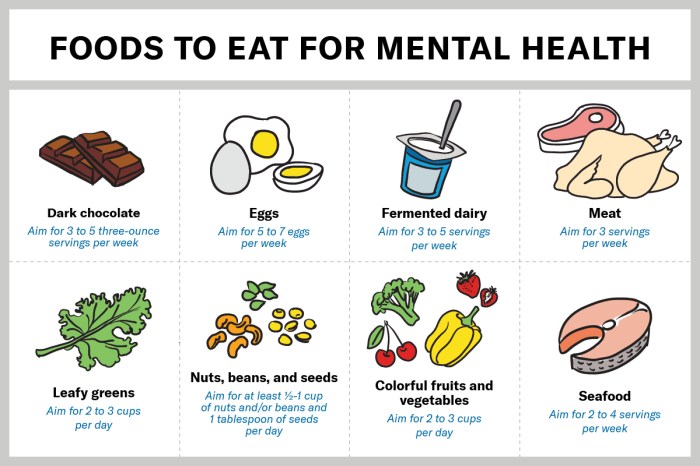
A balanced diet for optimal mental health consists of a variety of nutrients that support brain function and overall well-being. This includes a mix of fruits, vegetables, whole grains, lean proteins, and healthy fats.
Effects of Balanced vs. Imbalanced Diets
- Balanced Diet: Consuming a balanced diet provides essential nutrients like omega-3 fatty acids, vitamins, and minerals that are crucial for brain health. This can lead to improved mood, better cognitive function, and reduced risk of mental health disorders.
- Imbalanced Diet: On the other hand, an imbalanced diet high in processed foods, sugar, and unhealthy fats can negatively impact mental health. It may lead to mood swings, fatigue, and increased risk of depression and anxiety.
Sample Daily Meal Plan for Balanced Diet, Benefits of a balanced diet for mental health
Here is a sample daily meal plan that exemplifies a balanced diet for mental health:
| Meal | Food Choices |
|---|---|
| Breakfast | Whole grain toast with avocado and eggs |
| Lunch | Grilled chicken salad with mixed greens, veggies, and a vinaigrette dressing |
| Snack | Greek yogurt with berries and almonds |
| Dinner | Baked salmon with quinoa and roasted vegetables |
Regular Exercise
Regular exercise plays a crucial role in promoting mental well-being when combined with a balanced diet. The synergistic effects of nutrition and physical activity can significantly improve overall mental health.
Benefits of Exercise for Mental Health
Regular physical activity has been linked to reduced symptoms of anxiety and depression. Exercise helps in releasing endorphins, which are known as “feel-good” hormones that can enhance mood and reduce stress levels.
- Improves sleep quality: Engaging in regular exercise can help regulate sleep patterns, leading to better quality sleep and improved mental clarity.
- Boosts self-esteem: Physical activity can boost confidence and self-esteem, contributing to a positive self-image and overall mental well-being.
- Enhances cognitive function: Exercise has been shown to improve cognitive functions such as memory, focus, and concentration, which are essential for mental clarity and overall well-being.
Remember, incorporating regular exercise into your routine along with a balanced diet can significantly enhance your mental health and overall quality of life.
Holistic Wellness
Achieving holistic wellness involves looking at the interconnectedness of mental, physical, and emotional well-being. When it comes to mental health, diet and lifestyle choices play a crucial role in maintaining balance and promoting overall wellness.
Strategies for Achieving Holistic Wellness
Implementing a balanced diet that includes a variety of nutrients is essential for supporting mental health. Here are some strategies to help you achieve holistic wellness through your diet:
- Include plenty of fruits and vegetables in your meals to ensure you’re getting essential vitamins and minerals that support brain function.
- Incorporate whole grains, lean proteins, and healthy fats into your diet to provide sustained energy and support overall health.
- Limit processed foods, sugary drinks, and foods high in saturated fats, as these can negatively impact mood and cognitive function.
- Stay hydrated by drinking an adequate amount of water throughout the day, as dehydration can affect mental clarity and focus.
- Practice mindful eating by paying attention to your hunger cues and savoring each bite, which can help reduce stress and promote a healthy relationship with food.
Chronic Diseases
When it comes to mental health and overall well-being, the impact of diet extends beyond just mental wellness. A balanced diet plays a crucial role in preventing chronic diseases that can have a significant effect on mental health.
Reducing Risk through Diet
Research has shown that a balanced diet can help reduce the risk of developing chronic conditions that are closely linked to mental health issues. By incorporating nutrient-rich foods into your daily meals, you can support both your physical and mental well-being.
- Heart Disease: A diet high in fruits, vegetables, whole grains, and lean proteins can help lower the risk of heart disease, which has been associated with increased rates of depression and anxiety.
- Diabetes: Maintaining a balanced diet can also reduce the risk of developing diabetes, a condition that can have a profound impact on mental health by increasing stress levels and affecting cognitive function.
- Obesity: Eating a balanced diet can help prevent obesity, which is not only a physical health concern but also a risk factor for conditions like depression and mood disorders.
Immunity Boosters
When it comes to supporting both mental health and physical well-being, incorporating immune-boosting foods into your diet can make a significant difference. These foods not only help strengthen your body’s defense system but also contribute to a positive mood and overall mental wellness.
Immune-Boosting Foods for Mental Health
- Citrus fruits like oranges, lemons, and grapefruits are rich in Vitamin C, which can help boost immunity and reduce stress levels.
- Yogurt and other probiotic-rich foods promote a healthy gut, which is linked to improved mood and cognitive function.
- Leafy greens such as spinach and kale are high in antioxidants that support immune function and may help reduce symptoms of anxiety and depression.
Connection Between Immune System and Mental Well-Being
A strong immune system is essential for protecting the body against infections and illnesses, but it also plays a crucial role in mental health. Research has shown that inflammation in the body, often a result of a weakened immune system, can contribute to mood disorders like depression and anxiety. By consuming immune-boosting foods, you can help reduce inflammation, support your body’s defense system, and promote better mental well-being.
Recipes Incorporating Immunity-Boosting Ingredients
Try incorporating the following ingredients into your meals to boost your immunity and support mental health:
- Immune-boosting smoothie with berries, spinach, and Greek yogurt
- Turmeric and ginger-infused vegetable stir-fry for anti-inflammatory benefits
- Garlic and lemon roasted chicken for a dose of Vitamin C and antioxidants
FAQs
How does a balanced diet impact mental wellness?
A balanced diet rich in essential nutrients like omega-3 fatty acids and antioxidants can support brain function and mood regulation.
What are some examples of foods that boost energy levels for exercise?
Foods like bananas, nuts, and whole grains provide sustained energy for physical activity without causing energy crashes.
Can meal planning improve both physical and mental well-being?
Yes, meal planning ensures a variety of nutrients are consumed, supporting overall health and cognitive function.
How can a balanced diet help prevent cognitive decline?
A diet high in antioxidants, vitamins, and minerals can reduce inflammation and oxidative stress, which are linked to cognitive decline.
What is the significance of immune-boosting foods for mental health?
Immune-boosting foods like citrus fruits and leafy greens not only support physical health but also contribute to improved mental well-being by reducing inflammation.